
The African Country That Became a Maritime Superpower Without a Fleet
When people think about global shipping powers, countries such as China, Japan, Greece, or Singapore often come to mind. Few would expect Liberia, a West African nation of just over five million people, to rank among the world’s largest maritime powers.
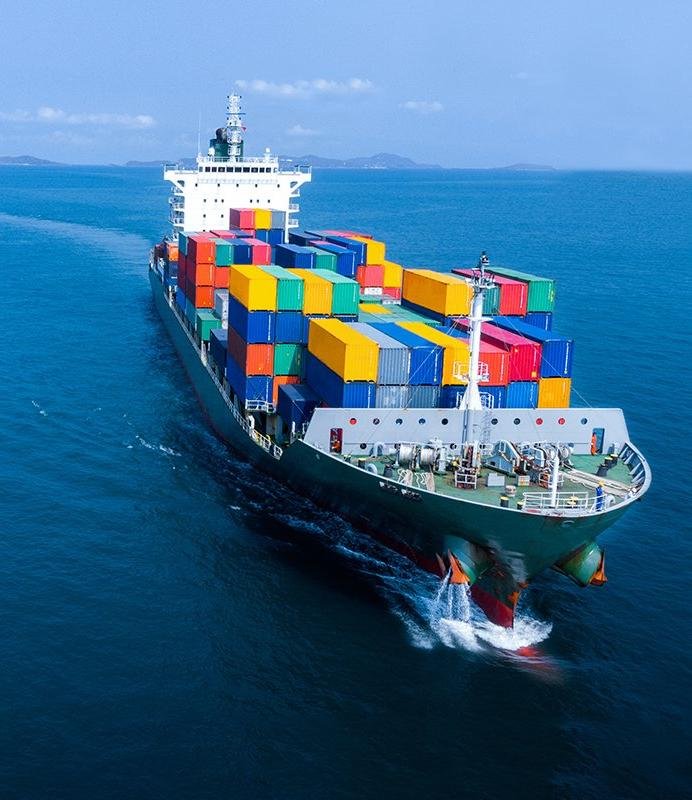
Yet Liberia is home to one of the world’s largest ship registries, with more than 5,000 commercial vessels flying the Liberian flag. These ships transport billions of dollars’ worth of goods every year across international waters, making Liberia one of the most influential countries in global maritime trade, despite owning very few of the vessels itself.
The country’s success is not built on a massive navy or a large domestic shipping industry. Instead, it is the result of one of Africa’s most successful examples of creating value through services, regulation, and strategic positioning.
Understanding a Ship Registry
Every commercial vessel operating internationally must be registered under the flag of a country.
This process, known as flag registration, determines which country’s maritime laws apply to the vessel and which authority oversees its compliance with international shipping regulations.
While many countries require ships to be owned or operated domestically before registration, others operate what are known as open registries, allowing foreign owned vessels to register under their national flag.
Liberia is one of the world’s leading open registry nations.
Today, thousands of shipping companies from around the world choose Liberia as their flag state because of its internationally recognised regulatory standards, efficient registration process, and strong compliance with global maritime conventions.
How Liberia Built a Global Shipping Business
Liberia’s maritime success dates back to 1948, when the country established its international ship registry in partnership with American maritime interests.
The objective was simple: create a professional, internationally respected registry that shipping companies could trust.
Over the decades, the registry developed a reputation for:
- Efficient vessel registration.
- Competitive registration fees.
- Strong safety oversight.
- Compliance with international maritime regulations.
- Professional inspection and certification services.
- Reliable global administrative support.
Rather than competing as a shipping operator, Liberia positioned itself as a provider of world class maritime registration services.
That strategy transformed the country into one of the largest flag states in the world.
A Global Industry Worth Billions
Liberia’s shipping registry has become one of the country’s most important sources of non tax revenue.
Registration fees, annual vessel charges, certification services, and other maritime administrative activities generate substantial income while requiring relatively little physical infrastructure compared to manufacturing or heavy industry.
The registry is managed by the Liberian International Ship & Corporate Registry (LISCR), which operates offices in major maritime centers around the world to serve ship owners, operators, and maritime businesses.
Because vessels registered in Liberia operate globally, the registry has become an important contributor to international shipping rather than only regional trade.
Why Shipping Companies Choose Liberia
Several factors continue attracting international ship owners to Liberia.
The country offers a regulatory environment that combines efficiency with internationally recognised safety and environmental standards.
Liberia is also a member of the International Maritime Organization (IMO) and adheres to major international maritime conventions governing safety, pollution prevention, and crew welfare.
For global shipping companies, registering under the Liberian flag provides access to a respected registry supported by experienced maritime professionals.
This combination of credibility and operational efficiency has helped Liberia remain competitive against other major maritime registries.
An Important Lesson in Competitive Advantage
Liberia’s maritime success demonstrates that countries do not always need abundant natural resources or massive industrial capacity to build globally competitive industries.
Instead of manufacturing ships or operating one of the world’s largest shipping fleets, Liberia identified a niche where it could provide specialised services that the global market needed.
By focusing on regulation, governance, customer service, and operational efficiency, the country created a business model that continues attracting thousands of international customers.
This approach illustrates how strategic positioning can sometimes create more value than competing in capital intensive industries.
Lessons for African Entrepreneurs
Liberia’s shipping registry offers several valuable lessons for entrepreneurs.
Identify underserved markets.
Liberia recognised that global shipping companies needed efficient and trusted registration services.
Build trust before scale.
International ship owners register vessels where they have confidence in regulatory standards and administrative competence.
Compete on service, not size.
Liberia did not become a maritime leader by owning the most ships. It became successful by delivering reliable services to companies that did.
Think globally from the beginning.
The registry was designed to serve international customers rather than relying solely on domestic demand.
Create recurring revenue.
Ship registration generates ongoing annual income through renewals, inspections, certifications, and compliance services.
A Quiet African Success Story
Liberia’s maritime registry rarely receives the same attention as African fintech startups or technology unicorns.
Yet it represents one of the continent’s longest running examples of successfully participating in a highly competitive global industry through innovation in governance and services rather than manufacturing.
As international trade continues expanding, Liberia remains an essential part of the global shipping system, proving that strategic institutions can generate long-term economic value even in sectors where countries lack large domestic industries.
Looking Ahead
Global shipping continues evolving as the industry adopts digital technologies, cleaner fuels, and stricter environmental regulations.
Liberia’s ability to maintain high regulatory standards while adapting to changing international requirements will remain critical to preserving its position among the world’s leading maritime registries.
With global trade expected to continue growing over the coming decades, the country’s maritime services industry is likely to remain an important contributor to its economy and international reputation.
EIA Takeaway
Liberia’s rise as one of the world’s largest maritime registries demonstrates that economic success is not always determined by the assets a country owns, but by the value it creates. By building a trusted, globally recognised ship registry, Liberia transformed regulation and administration into a competitive advantage that serves thousands of international shipping companies. For entrepreneurs, the lesson is equally powerful: you do not always need to own the product. Sometimes the greatest opportunity lies in providing the infrastructure, platform, or service that enables an entire industry to operate more efficiently.