
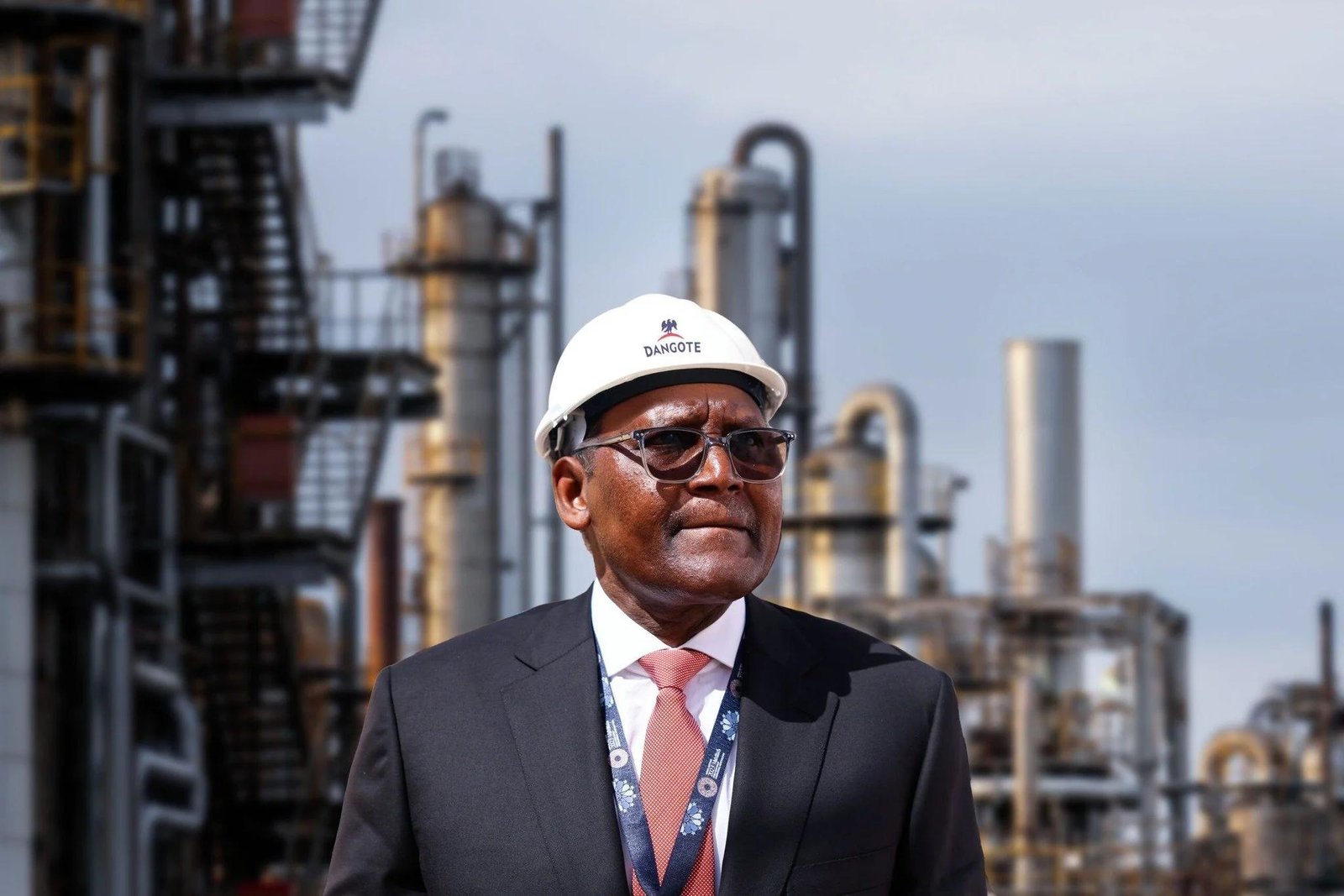
Dangote Refinery Launches Free Nationwide Fuel Delivery Programme
The Dangote Petroleum Refinery has announced the launch of a free nationwide fuel delivery programme for qualified bulk buyers across Nigeria, marking a significant development in the country’s downstream petroleum sector. The initiative, scheduled to begin in August 2026, is designed to reduce transportation costs, improve fuel distribution efficiency, and strengthen access to petroleum products nationwide.
Under the programme, the refinery will provide complimentary transportation for eligible customers purchasing petrol and diesel directly from its facility. The move is expected to benefit fuel marketers, manufacturers, industrial operators, and other large volume buyers while reinforcing Dangote Refinery’s strategy of building an integrated fuel supply network across Nigeria.
Industry analysts believe the initiative could reshape fuel distribution by reducing one of the sector’s largest operating expenses, transportation.
Lowering Distribution Costs
Logistics accounts for a significant portion of fuel distribution costs in Nigeria.
Moving petroleum products from depots to filling stations and industrial customers often requires substantial investment in transportation, increasing operational expenses for marketers and ultimately affecting fuel prices.
By introducing free nationwide delivery, Dangote Refinery aims to remove this burden for qualifying customers.
The programme will allow buyers to receive fuel directly through the refinery’s logistics network, helping reduce delivery costs while improving supply chain efficiency.
According to the company, the initiative forms part of its broader commitment to strengthening Nigeria’s domestic petroleum distribution system.
Supporting Fuel Marketers and Businesses
The programme is expected to benefit several categories of commercial customers, including:
- Independent petroleum marketers.
- Major fuel distributors.
- Manufacturing companies.
- Industrial facilities.
- Commercial fuel consumers.
- Large logistics operators.
Reducing transportation costs could improve profit margins for marketers while enabling businesses to access fuel more efficiently.
The initiative may also contribute to more reliable fuel availability in regions where transportation expenses have historically limited distribution.
Strengthening Domestic Supply
Since commencing commercial operations, Dangote Refinery has become an increasingly important player in Nigeria’s energy industry.
With a refining capacity of 650,000 barrels per day, the facility is the largest single train refinery in the world and was established to reduce Nigeria’s dependence on imported refined petroleum products.
The refinery has continued expanding production while supplying petrol, diesel, aviation fuel, and other petroleum products to domestic and regional markets.
The introduction of a nationwide delivery programme represents another step toward building a fully integrated supply chain capable of moving locally refined fuel efficiently across Nigeria.
A Competitive Advantage Through Logistics
The free delivery initiative also reflects a broader shift in how energy companies compete.
Rather than competing solely on fuel pricing, companies are increasingly investing in logistics, customer service, and operational efficiency to differentiate themselves.
For bulk buyers, transportation costs can represent a significant portion of procurement expenses.
Removing these costs may encourage more businesses to purchase directly from Dangote Refinery while improving the company’s competitive position within Nigeria’s downstream petroleum market.
Industry observers believe logistics innovation will become increasingly important as refiners compete for market share in a liberalised fuel market.
Potential Impact on Nigeria’s Economy
Improving fuel distribution efficiency could have wider economic benefits.
Reliable access to petroleum products supports transportation, manufacturing, agriculture, telecommunications, construction, and numerous other sectors of the Nigerian economy.
Lower logistics costs may reduce operating expenses for businesses while contributing to greater stability in fuel supply.
Although the programme primarily targets wholesale customers rather than individual motorists, improvements in the distribution network could strengthen overall market efficiency over time.
Looking Ahead
The nationwide fuel delivery programme is expected to commence in August 2026, with Dangote Refinery deploying its logistics network to serve qualifying customers across Nigeria.
The initiative will be closely watched by fuel marketers, manufacturers, regulators, and industry stakeholders as they assess its impact on distribution costs, supply reliability, and competition within the downstream petroleum sector.
If successfully implemented, the programme could establish a new benchmark for fuel logistics in Nigeria and reinforce Dangote Refinery’s position as one of Africa’s most significant energy infrastructure projects.
EIA Takeaway
Dangote Refinery’s nationwide fuel delivery programme demonstrates that competitive advantage extends beyond manufacturing. By investing in logistics and customer service, the company is addressing one of the most expensive aspects of Nigeria’s fuel value chain,distribution. For entrepreneurs, the announcement offers an important business lesson: companies that remove friction from their customers’ experience often create stronger competitive positions than those that compete on price alone. As Africa’s industrial sector continues to evolve, integrated solutions combining production, logistics, and customer support are likely to define the next generation of market leaders.