
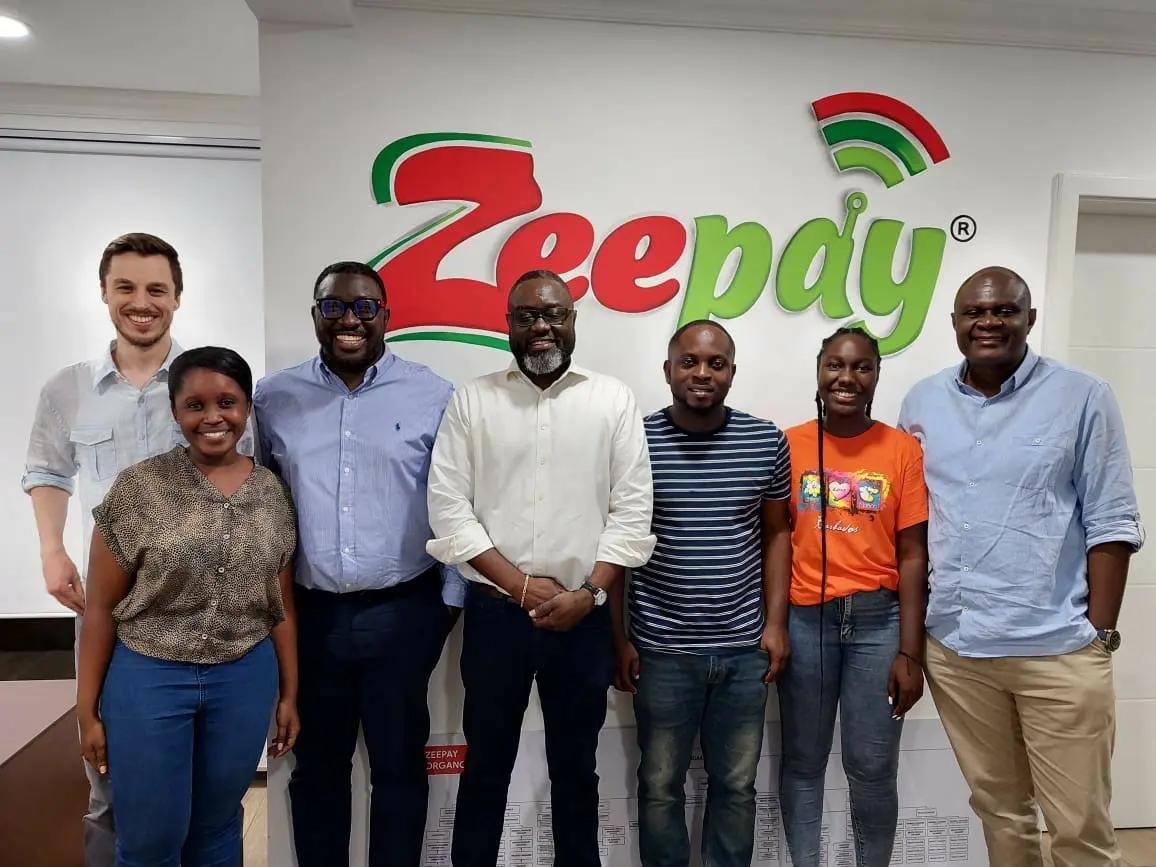
Zeepay Challenges Licence Revocation by Bank of Ghana
Ghanaian fintech company Zeepay Ghana Limited has formally challenged the Bank of Ghana’s decision to revoke its Dedicated Electronic Money Issuer (DEMI) licence, setting the stage for what has become one of the most closely watched regulatory disputes in Africa’s fintech industry this year.
The company says it is pursuing legal and regulatory avenues to overturn the decision while taking steps to protect its customers, employees, business partners, and investors.
The dispute follows the central bank’s announcement that it had withdrawn Zeepay’s licence over what it described as persistent regulatory breaches, including concerns relating to the backing of electronic money issued to customers. Zeepay, however, has rejected the regulator’s conclusions and insists it remains committed to resolving the matter through the appropriate legal process.
Zeepay Pushes Back
In a public statement issued after the licence revocation, Zeepay expressed disappointment with the Bank of Ghana’s decision and confirmed that it would formally challenge the action.
The fintech company said it remains committed to serving its stakeholders and maintaining confidence among customers, business partners, and investors while the dispute is being addressed.
Zeepay also reaffirmed its commitment to regulatory compliance and stated that it intends to work within Ghana’s legal framework to seek a review of the decision.
The company believes the matter can be resolved through engagement with the relevant authorities and has indicated that it will continue to cooperate with regulators throughout the process.
Why the Licence Was Revoked
The Bank of Ghana announced the revocation of Zeepay’s Dedicated Electronic Money Issuer licence after determining that the company had failed to meet important regulatory obligations.
According to the central bank, the company repeatedly breached prudential requirements designed to safeguard customer funds, including maintaining sufficient backing for electronic money in circulation.
The regulator said the decision was taken to protect consumers, preserve confidence in Ghana’s financial system, and maintain the integrity of the country’s rapidly growing digital payments sector.
The enforcement action has drawn widespread attention because Zeepay has been one of Ghana’s most prominent fintech companies, providing digital payment and remittance services across multiple African markets.
A Defining Moment for Ghana’s Fintech Industry
The dispute extends beyond a single company.
It represents an important test of how regulators and financial technology companies navigate compliance as Africa’s digital financial services industry continues expanding.
Across the continent, central banks are introducing stricter oversight of fintech companies to strengthen consumer protection, improve financial stability, and reduce operational risks.
Key regulatory priorities increasingly include:
- Consumer protection.
- Capital adequacy.
- Electronic money safeguarding.
- Anti-money laundering compliance.
- Corporate governance.
- Operational resilience.
- Risk management.
The outcome of the Zeepay case could influence how similar disputes are handled across Africa’s fintech ecosystem.
Balancing Innovation and Regulation
Ghana has built one of Africa’s most dynamic digital payments markets, supported by strong mobile money adoption, fintech innovation, and increasing investment in financial technology.
Industry experts argue that effective regulation is essential for maintaining trust in digital financial services while encouraging innovation.
However, they also stress that transparent regulatory processes and constructive dialogue between regulators and fintech companies are critical for ensuring that enforcement actions do not undermine investor confidence or slow technological progress.
As African fintech companies continue scaling across borders, regulatory compliance is becoming just as important as product innovation.
Lessons for African Startups
The Zeepay dispute offers valuable lessons for entrepreneurs operating in highly regulated industries.
Building innovative products alone is no longer enough.
Successful fintech companies must also invest heavily in:
- Compliance systems.
- Corporate governance.
- Financial controls.
- Risk management.
- Internal audits.
- Customer fund protection.
- Regulatory engagement.
Founders increasingly recognise that sustainable growth depends on maintaining strong relationships with regulators while meeting evolving compliance standards.
Looking Ahead
Zeepay’s legal challenge is expected to continue over the coming months, with industry stakeholders closely monitoring developments.
The outcome could have implications not only for the company but also for Ghana’s broader fintech landscape and investor confidence in regulated digital financial services across Africa.
While the legal process unfolds, Zeepay says it remains focused on protecting stakeholder interests and pursuing a fair resolution through the appropriate legal channels.
Regardless of the final outcome, the case has already become one of Africa’s most significant fintech regulatory stories of 2026.
EIA Takeaway
The Zeepay dispute highlights the growing importance of regulatory compliance as Africa’s fintech ecosystem matures. Innovation remains essential, but sustainable growth increasingly depends on strong governance, transparent operations, and constructive engagement with regulators. For startups operating in financial services, the ability to balance rapid innovation with regulatory responsibility may become one of the most important competitive advantages in the years ahead.