
Sudan Has Gold, Foreign Investment and Resources, So Why Is Its Economy Still Struggling?
Sudan possesses many of the ingredients typically associated with economic success. It is one of Africa’s leading gold producers, has millions of hectares of fertile agricultural land, occupies a strategic position along the Red Sea, and has attracted billions of dollars in investment commitments from Gulf nations over the years.
Yet despite these advantages, Sudan remains one of Africa’s most economically challenged countries.
The country’s prolonged conflict, political instability, and humanitarian crisis have overshadowed its vast economic potential, preventing natural resources and foreign investment from translating into sustainable growth. Sudan’s experience demonstrates that while natural wealth can attract investors, it cannot by itself create prosperity without peace, strong institutions, and economic stability.
A Country Rich in Natural Resources
Sudan is widely regarded as one of Africa’s most resource rich nations.
The country holds significant deposits of gold, chromium, copper, iron ore, manganese, and other valuable minerals. Agriculture also remains one of Sudan’s greatest long term strengths, with vast arable land capable of supporting large scale food production.
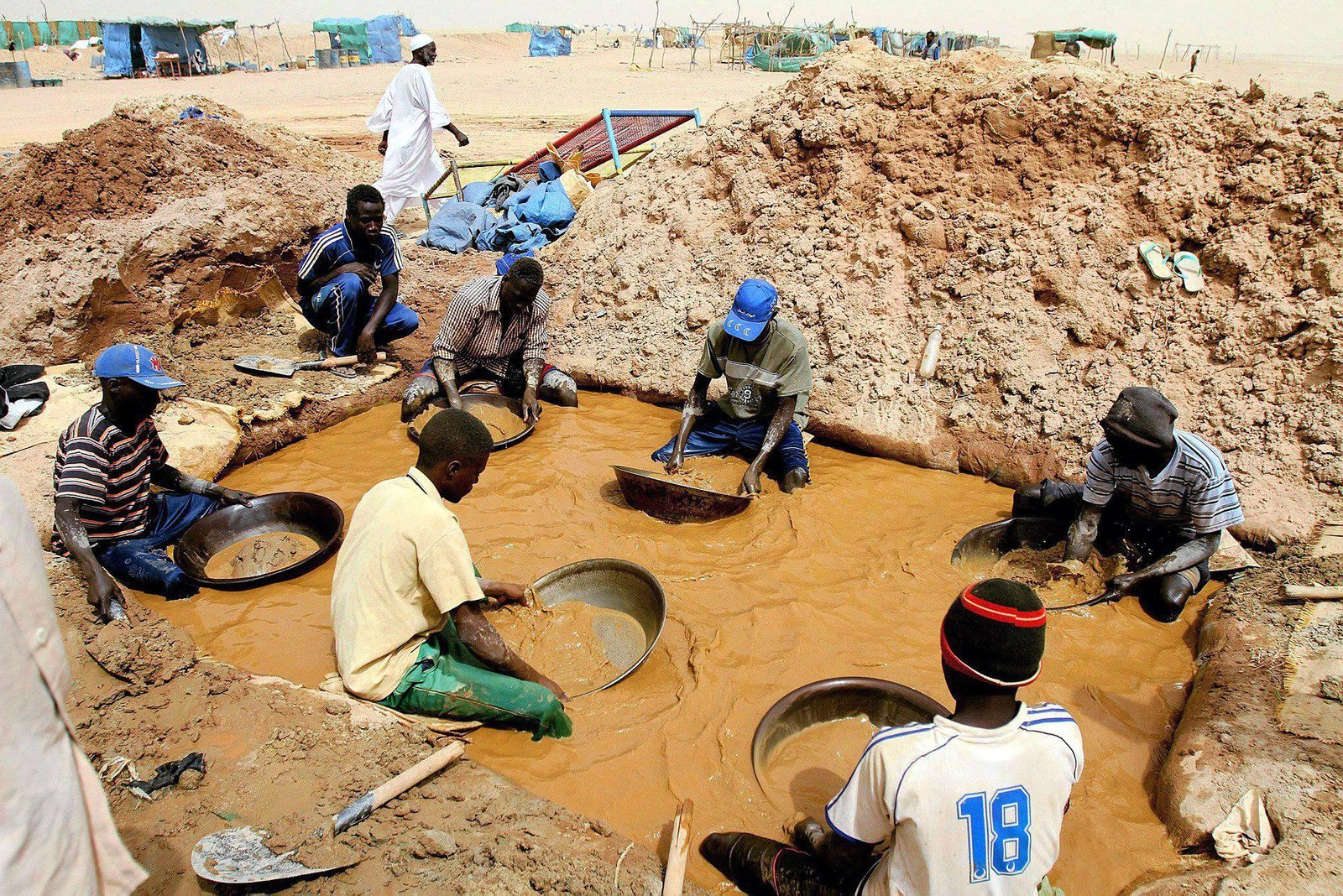
Gold has become Sudan’s most valuable export, generating much needed foreign exchange and attracting international mining companies and investors.
Combined with its strategic location connecting North Africa, East Africa, and the Middle East, Sudan possesses many of the characteristics that typically support long term economic growth.
Billions in Foreign Investment
Sudan has also attracted substantial investment from Gulf countries, particularly Saudi Arabia, the United Arab Emirates (UAE), and Qatar.
These investments have targeted sectors such as:
- Gold mining.
- Agriculture.
- Food production.
- Infrastructure.
- Port development.
- Logistics.
- Renewable energy.
- Real estate.
For Gulf investors, Sudan offers strategic access to agricultural resources, mineral wealth, and the Red Sea shipping corridor.
The scale of these investments reflects continued confidence in Sudan’s long term economic potential despite its current challenges.
Why the Economy Continues to Struggle
Despite abundant resources and foreign investment, Sudan’s economy has been severely affected by conflict.
Since civil war erupted in April 2023, fighting between the Sudanese Armed Forces (SAF) and the Rapid Support Forces (RSF) has disrupted nearly every sector of the economy.
Businesses have faced:
- Destruction of infrastructure.
- Supply chain disruptions.
- Currency instability.
- Banking challenges.
- Rising inflation.
- Reduced industrial production.
- Declining investor confidence.
Many factories have suspended operations, commercial activity has slowed, and millions of people have been displaced from their homes.
These conditions make it extremely difficult for investment projects to generate widespread economic benefits.
Gold Alone Cannot Build Prosperity
Although Sudan remains a major gold producer, resource wealth has not been enough to stabilise the broader economy.
Mining continues to generate export earnings, but the sector faces challenges including illegal mining, smuggling, infrastructure constraints, and governance issues.
More importantly, revenue generated from natural resources cannot fully offset the economic damage caused by prolonged conflict.
Without functioning institutions, reliable infrastructure, and a stable business environment, even resource-rich economies struggle to convert natural wealth into sustainable development.
Investors Need Stability
Foreign investors generally seek markets where businesses can operate with confidence.
Successful investment depends on several factors beyond natural resources, including:
- Political stability.
- Strong legal institutions.
- Reliable infrastructure.
- Predictable regulations.
- Secure transportation networks.
- Access to financial services.
Conflict increases operational risks, delays projects, raises insurance costs, and discourages long term investment decisions.
Sudan illustrates how instability can reduce the economic impact of even substantial international capital.
Lessons for Africa
Sudan’s experience offers important lessons for policymakers across Africa.
Natural resources remain valuable economic assets, but sustainable growth requires more than mineral wealth or foreign investment.
Countries that successfully convert natural resources into long-term prosperity typically combine investment with:
- Good governance.
- Peace and security.
- Transparent institutions.
- Economic diversification.
- Private-sector development.
- Infrastructure investment.
Without these foundations, growth remains vulnerable to political and economic shocks.
A Future Still Full of Potential
Despite current challenges, Sudan continues to possess enormous long term economic opportunities.
Its agricultural capacity, mineral resources, strategic geographic location, and youthful population provide a foundation for future recovery once peace is restored.
Many analysts believe Sudan could once again become one of Africa’s most attractive investment destinations if political stability returns and economic reforms create a more predictable business environment.
For now, however, unlocking that potential will depend less on attracting additional capital and more on restoring the conditions necessary for businesses and investors to thrive.
Looking Ahead
Regional governments, international organizations, and development partners continue supporting diplomatic efforts aimed at ending the conflict and rebuilding Sudan’s economy.
While foreign investment is likely to remain important, lasting recovery will ultimately depend on restoring peace, rebuilding institutions, and creating an environment where businesses can operate with confidence.
Sudan’s long-term economic story is far from over, but its next chapter will be determined as much by stability and governance as by its abundant natural resources.
EIA Takeaway
Sudan’s experience demonstrates that natural resources alone do not create prosperity. Gold, fertile land, and billions of dollars in foreign investment have not been enough to overcome the effects of prolonged conflict and political instability. For entrepreneurs and policymakers alike, the lesson is clear: sustainable economic growth depends on building strong institutions, maintaining peace, and creating an environment where businesses can invest, innovate, and expand with confidence.