
Executive Summary
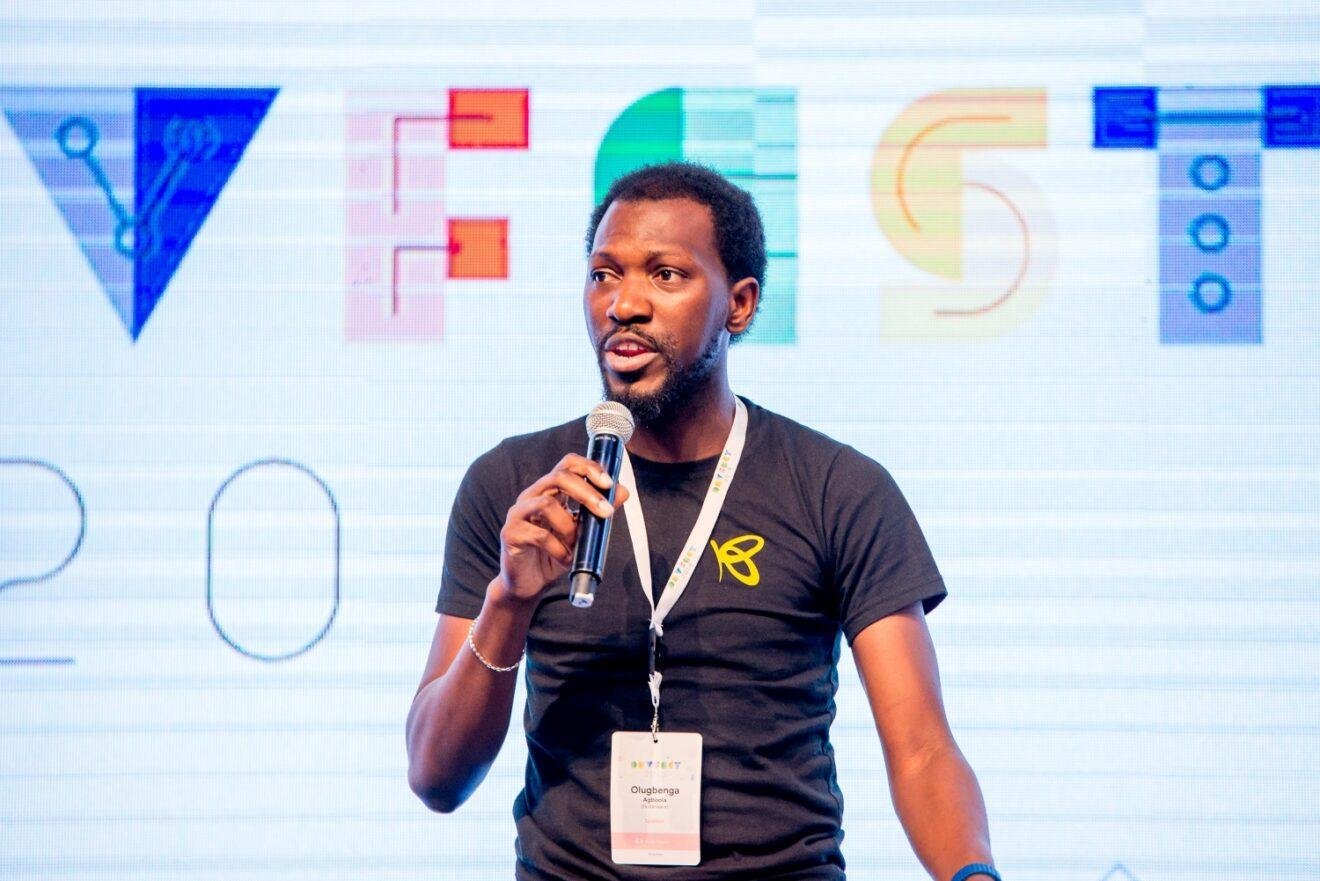
Few entrepreneurs have played a more significant role in shaping Africa’s digital payments industry than Olugbenga “GB” Agboola. As the co-founder and Chief Executive Officer of Flutterwave, Agboola helped build a company that has become synonymous with modern payment infrastructure across Africa.
Founded in 2016, Flutterwave was created to solve a fundamental challenge: making it easier for businesses to send and receive payments across Africa’s fragmented financial systems. What began as an ambitious startup has grown into one of Africa’s most recognized technology companies, serving businesses across numerous markets and attracting hundreds of millions of dollars in investment.
Today, Flutterwave is widely regarded as one of the companies helping power Africa’s digital economy. Its story demonstrates how solving infrastructure problems can create lasting impact at scale.
Founder Snapshot
Founder: Olugbenga “GB” Agboola
Company: Flutterwave
Industry: Financial Technology (Fintech)
Country: Nigeria
Founded: 2016
Position: Founder and Chief Executive Officer
Known For: Building one of Africa’s leading payment infrastructure companies
Mission: Simplifying payments for endless possibilities
Early Life and Education
Olugbenga Agboola grew up in Nigeria during a period when technology was beginning to transform industries around the world. Like many future entrepreneurs, he developed an interest in solving problems and understanding systems from an early age.
His educational journey provided him with a strong foundation in technology, finance, and business operations. These disciplines would later prove invaluable as he navigated the complex intersection of banking and technology.
Long before becoming a founder, Agboola was fascinated by how financial systems worked. He recognized that while technology was making life easier in many sectors, financial transactions across Africa remained unnecessarily complicated.
This curiosity would eventually shape his entrepreneurial journey.
Early Career
Before launching Flutterwave, Agboola built extensive experience within the financial services industry.
He worked with several institutions including Guaranty Trust Bank, Standard Bank Group, and Access Bank, gaining firsthand exposure to banking operations, payment systems, and financial technology.
These experiences provided him with a unique perspective.
He observed that businesses operating across multiple African countries faced persistent payment challenges. Transactions were often slow, expensive, and fragmented.
Businesses seeking regional growth frequently needed separate banking relationships and payment integrations for different countries.
For many entrepreneurs, scaling across Africa was far more difficult than it should have been.
Rather than accepting this as normal, Agboola viewed it as an opportunity.
The Problem He Identified
Africa is one of the world’s most diverse economic regions.
The continent contains dozens of countries, multiple currencies, numerous banking systems, and varying regulatory frameworks.
For businesses, this complexity created a major obstacle.
A company operating in Nigeria, Kenya, Ghana, and South Africa might need multiple payment solutions to serve customers effectively.
This fragmentation increased costs and slowed growth.
Agboola recognized that Africa’s digital economy could not reach its full potential without modern payment infrastructure capable of connecting these markets.
The opportunity was enormous.
If businesses could move money seamlessly across borders, they could expand faster, serve more customers, and unlock new economic opportunities.
Flutterwave was built to solve that challenge.
Founding Flutterwave
In 2016, Agboola co-founded Flutterwave with the vision of creating a unified payment infrastructure platform for Africa.
The company’s mission was simple but ambitious:
“To simplify payments for endless possibilities.”
Unlike many startups that focus on consumer applications, Flutterwave concentrated on infrastructure.
Its goal was to provide businesses with a single platform through which they could accept payments, process transactions, and operate across multiple markets.
The early days were challenging.
Building financial infrastructure requires technical expertise, regulatory compliance, trust, and significant capital.
However, the founding team believed that solving this problem would create value for thousands of businesses across Africa.
Their conviction proved correct.
Major Challenges
Like most startup founders, Agboola faced numerous challenges during Flutterwave’s growth journey.
One challenge involved operating across multiple regulatory environments. Each market had different financial regulations and compliance requirements.
Another challenge was building trust.
Financial infrastructure companies handle sensitive transactions and must convince businesses that their systems are secure and reliable.
Competition also intensified as both local and international players recognized the opportunities within Africa’s fintech sector.
Despite these obstacles, Flutterwave continued expanding, improving its technology, and strengthening its partnerships.
The company’s ability to adapt and execute consistently became one of its defining strengths.
Funding and Growth
Flutterwave’s growth attracted the attention of major global investors.
Over the years, the company secured multiple funding rounds from leading venture capital firms and strategic investors.
These investments helped Flutterwave:
- Expand into new markets
- Improve technology infrastructure
- Strengthen compliance systems
- Launch new financial products
- Scale operations internationally
A major milestone came when Flutterwave achieved unicorn status, reaching a valuation exceeding $1 billion.
The achievement placed the company among Africa’s most valuable startups and highlighted growing global confidence in African technology companies.
Investor support also signaled recognition that payment infrastructure would remain a critical component of Africa’s digital economy.
Major Company Milestones
2016
Flutterwave was founded.
2018
The company gained significant traction among startups and enterprise customers.
2020
Demand for digital payments accelerated as businesses increasingly adopted online commerce.
2021
Flutterwave achieved unicorn status with a valuation exceeding $1 billion.
2022
The company expanded products and services while strengthening its international presence.
Present
Flutterwave continues to support businesses across multiple African markets while expanding its payment infrastructure capabilities.
Leadership Style and Business Philosophy
Agboola’s leadership philosophy centers on solving meaningful problems.
Rather than focusing on short-term trends, Flutterwave concentrated on building infrastructure capable of supporting long-term economic growth.
His approach demonstrates a key entrepreneurial principle:
Great companies are often built by solving foundational challenges rather than chasing temporary opportunities.
This philosophy helped Flutterwave remain focused on creating value for businesses and customers.
Founder Quotes
One of Flutterwave’s most widely recognized mission statements is:
“To simplify payments for endless possibilities.”
The statement captures the company’s broader vision of enabling businesses and individuals to participate more effectively in Africa’s growing digital economy.
Impact on Africa
Flutterwave’s impact extends beyond payments.
The company has helped businesses access modern financial infrastructure, expand across borders, and participate in digital commerce more efficiently.
Its technology supports startups, small businesses, enterprises, and multinational organizations operating across Africa.
By reducing payment friction, Flutterwave has contributed to greater financial inclusion and economic activity throughout the continent.
The company’s success has also inspired a new generation of African entrepreneurs to pursue ambitious technology ventures.
Lessons for Entrepreneurs
1. Solve Large Problems
The bigger the problem, the greater the potential opportunity.
2. Build Infrastructure
Infrastructure businesses often create long term value because they enable others to succeed.
3. Think Beyond Local Markets
Scalable solutions create larger opportunities.
4. Stay Patient
Building transformative companies requires persistence and long term thinking.
5. Focus on Execution
Vision is important, but execution ultimately determines success.
Future Outlook
Africa’s digital economy continues to evolve rapidly.
As businesses increasingly embrace digital payments, demand for reliable financial infrastructure is expected to grow.
Flutterwave is positioned to remain a major player in this transformation by continuing to expand its services and support businesses across multiple markets.
The future presents significant opportunities for companies capable of simplifying commerce and connecting fragmented financial systems.
EIA Analysis
Flutterwave’s success illustrates a powerful entrepreneurial lesson.
While many founders focus on creating products that consumers enjoy, some of the most impactful companies are built by solving infrastructure problems that entire industries depend on.
Olugbenga Agboola identified a major barrier to business growth across Africa and built a company around removing that barrier.
His story demonstrates that entrepreneurs who solve meaningful, large-scale problems can create businesses with lasting economic impact.
For aspiring founders, Flutterwave serves as a reminder that the most valuable opportunities often exist where complexity, inefficiency, and unmet demand intersect.
Key Takeaways
• Identify problems that affect entire industries.
• Build solutions designed for scale.
• Infrastructure businesses can create enormous value.
• Long term thinking is a competitive advantage.
• Solving meaningful problems attracts customers, investors, and opportunities.
• Africa’s biggest opportunities often lie in fixing foundational challenges.