
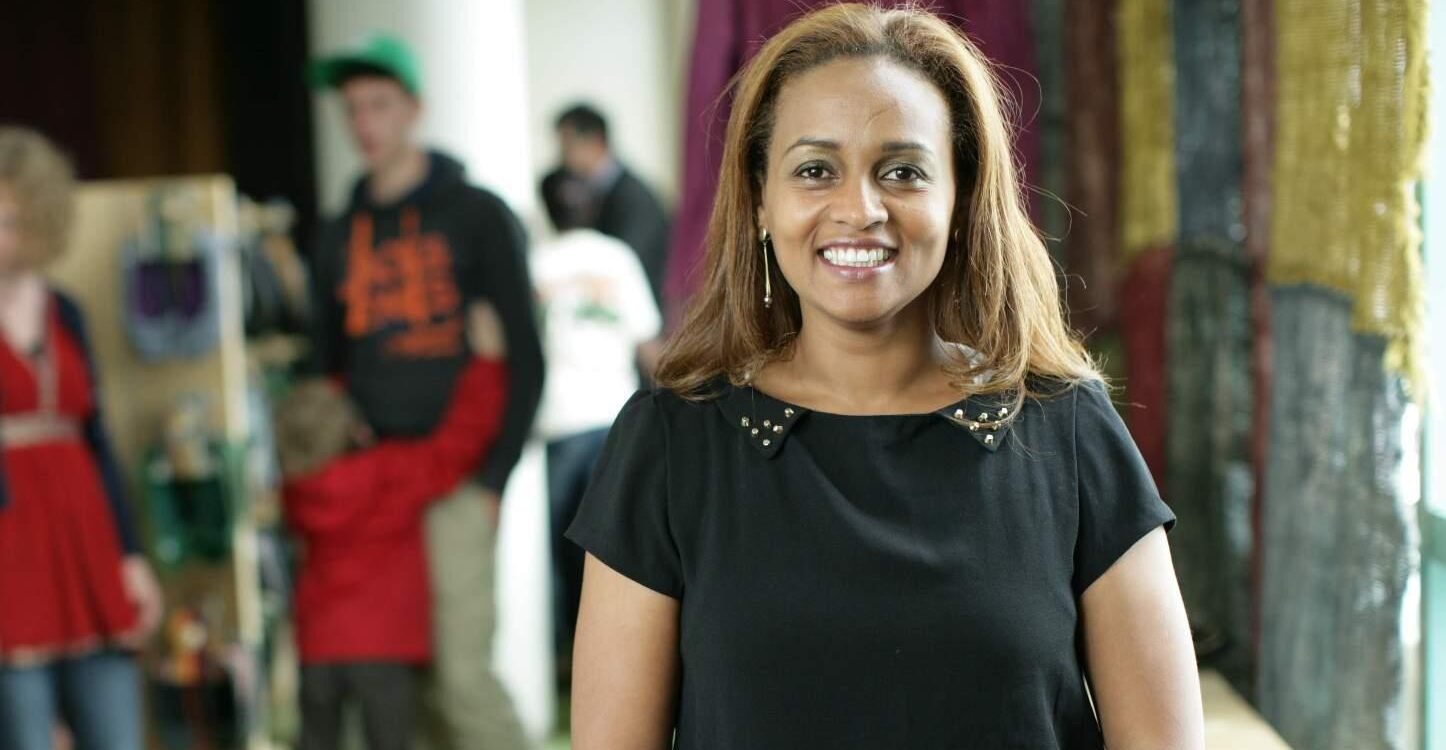
How Ethiopia’s Shoe Industry Found Its Place on the Global Stage
Many entrepreneurs search for opportunities in new ideas. Bethlehem Tilahun Alemu found hers in an old tradition.
In 2004, she founded soleRebels, transforming Ethiopia’s centuries old shoemaking craftsmanship into an internationally recognized footwear brand. Instead of competing on low prices, she built her company around quality, sustainability, and authentic African storytelling.
Today, her journey stands as proof that African businesses can build premium global brands without abandoning their identity.
Founder Snapshot
Founder: Bethlehem Tilahun Alemu
Country: Ethiopia
Company: soleRebels
Founded: 2004
Industry: Sustainable Footwear
The Business Opportunity
Growing up in Addis Ababa, Bethlehem noticed something many people overlooked. Her community had talented shoemakers but very few economic opportunities. Instead of seeing unemployment, she saw an untapped industry.
Her vision was simple:
If Italian craftsmanship could build luxury brands, why couldn’t Ethiopian craftsmanship do the same?
That single idea became the foundation of soleRebels.
Building soleRebels
Bethlehem launched soleRebels with a strategy that challenged conventional thinking. While many footwear companies outsourced production to lower cost markets, she chose to keep manufacturing in Ethiopia.
She worked with local artisans, embraced traditional weaving techniques, and incorporated recycled materials such as old vehicle tires into her footwear. This combination of craftsmanship, sustainability, and authentic storytelling helped the company stand out in an increasingly competitive global market.
Rather than selling just another pair of shoes, soleRebels sold a story of African innovation and heritage. The brand gradually expanded into international markets, reaching customers across North America, Europe, Asia, and Australia.
Today, soleRebels is recognized as one of Africa’s most successful consumer brands and a symbol of what African manufacturing can achieve.
Biggest Challenge
Bethlehem’s greatest challenge was not making quality footwear. It was changing global perceptions.
Many international buyers doubted that premium products could come from Ethiopia. Instead of allowing that perception to define her business, she invested in quality, branding, and consistency until the products spoke for themselves.
She transformed her country of origin from a perceived disadvantage into one of the company’s greatest strengths.
Leadership Philosophy
Bethlehem believes businesses should create more than profits, they should create opportunities.
Her leadership philosophy combines commercial success with social impact. By employing local artisans and preserving traditional craftsmanship, she demonstrated that businesses can grow while strengthening the communities they serve.
Her approach proves that purpose and profitability can exist together.
EIA Insight
Bethlehem did not invent shoemaking.
She reinvented how the world viewed African manufacturing.
Her greatest innovation wasn’t creating a new product, it was proving that world class brands could be built from African craftsmanship, culture, and identity.
Lessons for Entrepreneurs
- Build on the strengths of your local community.
- Compete on quality, not just price.
- Authentic stories create stronger brands.
- Solve economic problems while creating business value.
- Never let perception limit your ambition.
Why This Founder Matters
Bethlehem Tilahun Alemu has become one of Africa’s most influential entrepreneurs because she changed the narrative around African made products.
She demonstrated that businesses on the continent can compete globally through innovation, quality, and authenticity rather than low production costs.
Her success continues to inspire entrepreneurs across Africa to build businesses rooted in local strengths while thinking globally.
EIA Takeaway
Many entrepreneurs spend years searching for the next big idea.
Bethlehem Tilahun Alemu found hers by looking at what already existed.
She saw opportunity where others saw limitation and transformed generations of Ethiopian craftsmanship into a globally recognized brand.
Her journey reminds every entrepreneur that sometimes the greatest business opportunity isn’t creating something new, it’s helping the world recognize the value that has been there all along.