
Executive Summary
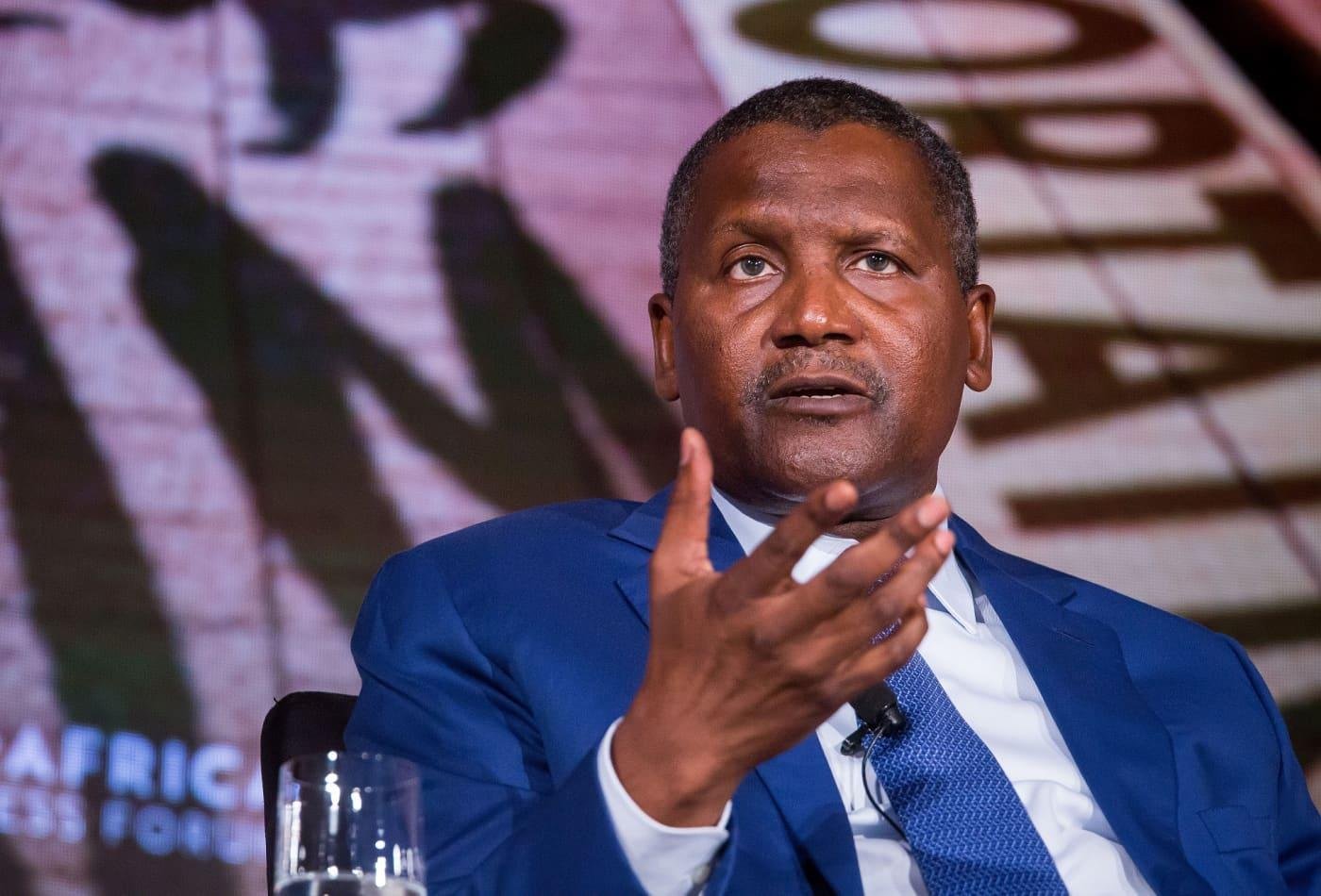
Few entrepreneurs have shaped the economic landscape of Africa as profoundly as Aliko Dangote. Over several decades, he transformed a small trading business into one of the continent’s largest industrial conglomerates, creating thousands of jobs and reducing Africa’s dependence on imported goods.
Known globally as Africa’s richest businessman, Dangote’s success story is not simply about wealth accumulation. It is a story of vision, patience, strategic execution, and a relentless commitment to solving some of Africa’s most pressing economic challenges.
While many entrepreneurs focus on technology startups or service based businesses, Dangote built companies that manufacture essential products including cement, sugar, salt, flour, fertilizer, and petroleum products. His businesses operate at the foundation of economic development, supporting infrastructure projects, agriculture, manufacturing, and industrial growth across Africa.
Today, the Dangote Group stands as one of Africa’s most influential business organizations, operating in multiple countries and serving millions of customers. His journey offers valuable lessons for entrepreneurs seeking to build businesses that create long term impact.
Founder Snapshot
Name: Aliko Dangote
Nationality: Nigerian
Known For: Founder and Chairman of Dangote Group
Industry: Manufacturing, Industrial Production, Commodities, Energy
Founded: Dangote Group
Headquarters: Lagos, Nigeria
Core Mission: Building African industries that reduce reliance on imports and drive economic development
Notable Companies:
- Dangote Cement
- Dangote Sugar
- Dangote Salt
- Dangote Fertilizer
- Dangote Refinery
Early Life & Education
Aliko Dangote was born on April 10, 1957, in Kano, Nigeria, into a family with a strong business tradition. His grandfather was a successful merchant who played a significant role in shaping his understanding of commerce and entrepreneurship.
Growing up, Dangote developed an interest in business at an early age. Stories from his childhood often describe him buying and selling small items among his peers, demonstrating entrepreneurial instincts long before he entered the corporate world.
Unlike many entrepreneurs who discover business later in life, Dangote was exposed to commerce from a young age. Observing successful traders and merchants helped him understand how value is created through buying, selling, distribution, and customer relationships.
He later attended Al-Azhar University in Cairo, Egypt, where he studied Business Studies. His education provided formal business knowledge while reinforcing the entrepreneurial mindset he had already begun developing through family influences and personal experiences.
The combination of business education and practical exposure would later become a powerful advantage as he expanded into increasingly complex industries.
Career Before Entrepreneurship
After completing his studies, Dangote returned to Nigeria with a strong desire to establish himself in business.
Rather than immediately building factories or manufacturing plants, he began as a trader. His early business focused on commodities such as sugar, rice, and cement. Through these activities, he learned critical lessons about supply chains, customer demand, logistics, and market dynamics.
Trading provided him with something many entrepreneurs overlook: deep industry knowledge.
By understanding how products moved through markets, where shortages existed, and how customers made purchasing decisions, Dangote gained insights that would later guide his industrial investments.
During this period, he also built relationships with suppliers, distributors, financial institutions, and government stakeholders. These relationships would become invaluable as his business ambitions expanded.
Most importantly, trading allowed him to identify a recurring problem across Africa’s economy. Many essential goods were imported, making countries vulnerable to supply disruptions, foreign exchange shortages, and fluctuating international prices.
This observation would eventually shape his entrepreneurial vision.
Founding Story
Dangote’s entrepreneurial journey officially began in 1977.
The business initially focused on importing and distributing commodities that were in high demand across Nigeria.
The company grew steadily, generating profits and expanding its distribution network. However, Dangote realized that trading alone would not create the scale of impact he envisioned.
He began asking a different question.
Instead of importing products from other countries, why not manufacture them in Africa?
This shift in thinking marked the beginning of one of the most significant business transformations in African history.
Rather than remaining a distributor, Dangote decided to become a producer.
He started investing in factories capable of manufacturing products that African countries were importing in large quantities. This strategy would eventually become the defining characteristic of the Dangote Group.
His vision was straightforward but ambitious: produce in Africa what Africa consumes.
Building the Company
Building the Dangote Group required extraordinary patience and capital investment.
Unlike software companies that can scale rapidly with relatively low infrastructure costs, manufacturing businesses require factories, equipment, logistics networks, skilled labor, and significant financing.
Dangote began by expanding into cement production.
At the time, many African countries depended heavily on imported cement despite growing demand driven by urbanization and infrastructure development.
Recognizing this opportunity, Dangote invested aggressively in local production capacity.
His strategy proved successful.
Dangote Cement grew into Africa’s largest cement producer, supplying critical materials for roads, bridges, schools, hospitals, and housing projects across the continent.
The company then expanded into sugar refining, salt production, fertilizer manufacturing, and eventually energy.
One of the most ambitious projects in the company’s history was the development of the Dangote Refinery, one of the largest industrial investments ever undertaken in Africa.
The refinery represented more than a business opportunity. It was designed to address a longstanding economic challenge by reducing dependence on imported petroleum products.
Each expansion followed a consistent philosophy.
Identify a product Africa imports.
Build local capacity.
Scale production.
Create jobs.
Reduce dependency on foreign suppliers.
This approach transformed the Dangote Group into an industrial powerhouse.
Challenges & Setbacks
Dangote’s journey was far from easy.
Building manufacturing businesses in emerging markets presents challenges that many entrepreneurs in developed economies never encounter.
Infrastructure limitations, inconsistent power supply, transportation difficulties, currency fluctuations, and regulatory changes all created obstacles.
Large-scale industrial projects often required billions of dollars in investment and years before generating returns.
The Dangote Refinery itself faced multiple delays, cost overruns, and logistical challenges.
Critics questioned whether some projects were too ambitious.
Others doubted whether African manufacturing could compete effectively on a global scale.
Yet Dangote consistently maintained a long term perspective.
Instead of abandoning projects when difficulties emerged, he focused on solving problems systematically and continuing execution.
His resilience became one of his greatest competitive advantages.
Many entrepreneurs quit when challenges become complex.
Dangote built his reputation by navigating complexity rather than avoiding it.
Funding & Growth
The growth of the Dangote Group was fueled through a combination of reinvested profits, strategic financing, and disciplined capital allocation.
Rather than pursuing rapid expansion without a clear plan, Dangote focused on businesses where he understood market demand and could create sustainable advantages.
As the company grew, it attracted financing from major banks, investors, and international institutions.
Its reputation for execution and operational excellence made it easier to secure funding for increasingly ambitious projects.
Today, the Dangote Group operates across numerous African countries and generates billions of dollars in annual revenue.
Its companies have become market leaders in multiple sectors, demonstrating that African businesses can achieve world class scale.
The group’s success has also inspired a new generation of entrepreneurs who see industrialization as a pathway to economic transformation.
Notable Quotes
“To build a successful business, you must start small and dream big.”
“Nothing is impossible.”
“Invest in Africa because it is the future.”
“Success comes from hard work, persistence, and believing in your vision.”
These statements reflect Dangote’s emphasis on ambition, resilience, and long term thinking.
Leadership Philosophy
Several principles define Dangote’s leadership approach.
Think Long Term
Major opportunities often require years or decades of commitment.
Solve Fundamental Problems
The greatest businesses address essential needs rather than temporary trends.
Invest in Capacity
Building infrastructure and production capability creates sustainable value.
Stay Disciplined
Growth should be supported by execution, not hype.
Create Economic Impact
Businesses should generate jobs, strengthen industries, and contribute to broader development.
Lessons for Entrepreneurs
1. Start Where You Are
Dangote began with a modest trading company before building an industrial empire.
2. Understand the Market Deeply
His success was built on understanding supply chains and customer demand.
3. Think Beyond Short-Term Profits
Long term investments often create the largest opportunities.
4. Solve Large Problems
The bigger the problem, the bigger the opportunity.
5. Build for Impact
Businesses that create economic value tend to endure.
6. Persistence Matters
Many opportunities require years of consistent effort before results become visible.
7. Scale Strategically
Expansion should be based on clear advantages and strong execution.
Why This Founder Matters
Aliko Dangote matters because he changed the conversation about what is possible for African businesses.
He demonstrated that entrepreneurs from Africa can build companies capable of competing at a global level.
His investments have helped strengthen industries, create employment opportunities, and reduce reliance on imports.
More importantly, he provided a blueprint for industrial entrepreneurship on the continent.
Rather than focusing solely on consumption, Dangote emphasized production.
Rather than importing solutions, he built local capacity.
His influence extends beyond business performance.
He has inspired countless entrepreneurs to think bigger, pursue ambitious goals, and contribute to Africa’s long term development.
EIA Takeaway
Aliko Dangote’s story is ultimately a lesson in vision and execution.
Many entrepreneurs recognize opportunities. Few commit to solving them at scale.
Dangote looked at Africa’s dependence on imported goods and saw an opportunity to build industries capable of serving the continent’s needs.
His success was not created overnight.
It emerged through decades of disciplined execution, calculated risk taking, and an unwavering belief in Africa’s potential.
For entrepreneurs across the continent, his journey offers a powerful reminder that transformational businesses are built by those willing to think long-term, invest boldly, and solve problems that truly matter.
The future of Africa will not be built solely by those who identify opportunities. It will be built by those who create the infrastructure, industries, and institutions that enable prosperity for generations to come.
Aliko Dangote stands as one of the strongest examples of that principle in action.