
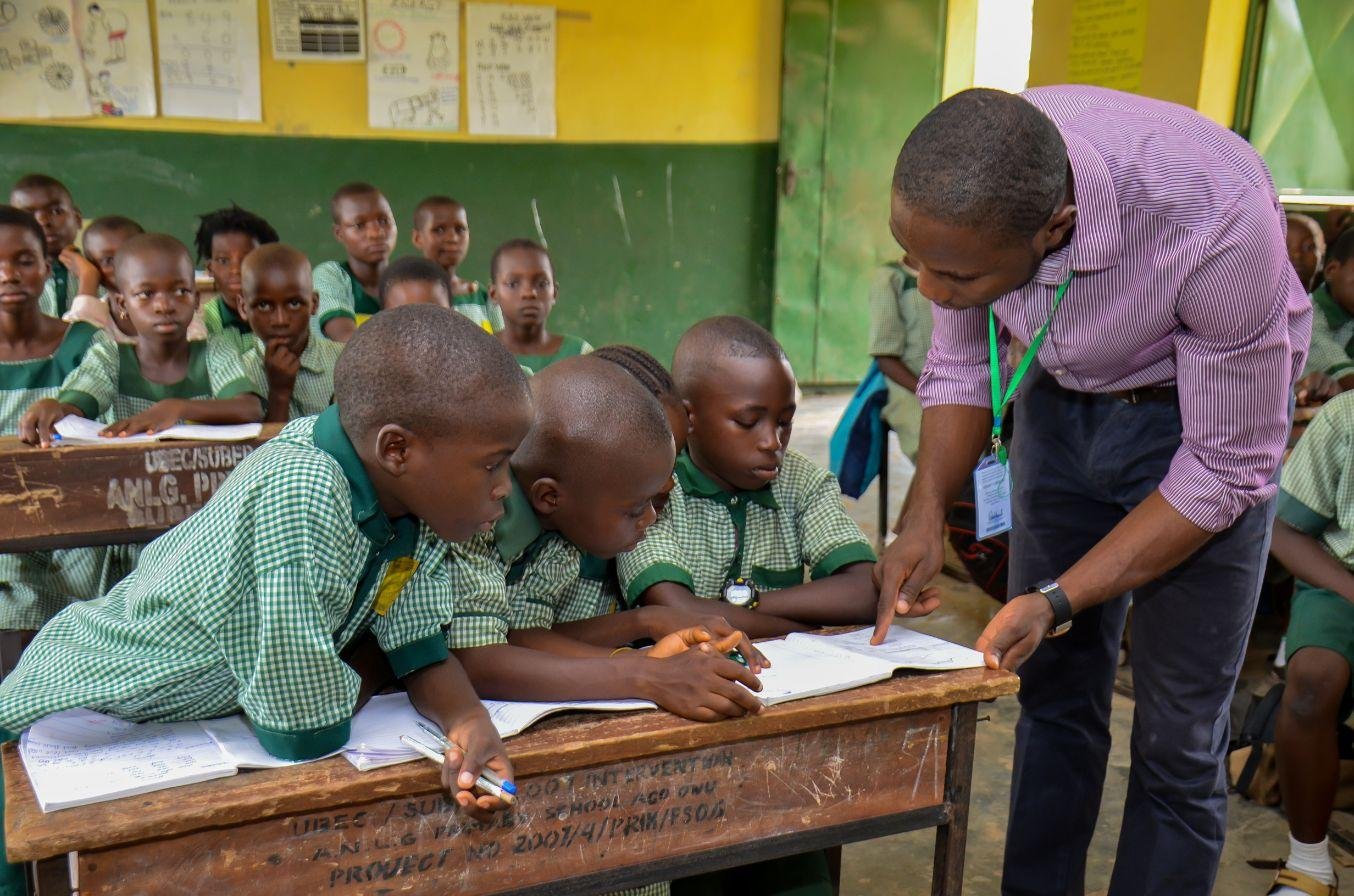
World Bank and GPE Launch US$552 Million Education Programme in Nigeria
Nigeria has launched a US$552 million education programme backed by the World Bank and the Global Partnership for Education (GPE) to improve learning outcomes, expand access to quality education, and strengthen teacher development across the country.
The initiative is expected to benefit more than 29 million children while providing training and professional development opportunities for over 500,000 teachers, making it one of the largest education investments in Nigeria in recent years.
The programme reflects growing international support for improving foundational learning, reducing educational inequalities, and preparing Nigeria’s rapidly growing youth population with the skills needed for future economic growth.
Expanding Access to Quality Education
Nigeria has one of Africa’s largest school age populations, creating both significant opportunities and considerable challenges for its education system.
Despite progress in expanding school enrolment, millions of children continue to face barriers to quality education, including overcrowded classrooms, inadequate infrastructure, shortages of qualified teachers, and learning gaps in literacy and numeracy.
The new programme seeks to address these challenges by improving teaching quality, strengthening school systems, and expanding access to education for children across multiple states.
By investing in both educators and students, the initiative aims to improve classroom outcomes while creating a stronger foundation for long-term national development.
Training More Than 500,000 Teachers
A major component of the programme focuses on strengthening Nigeria’s teaching workforce.
More than 500,000 teachers are expected to receive professional training designed to improve classroom instruction, teaching methods, curriculum delivery, and student assessment.
Teacher quality remains one of the most important factors influencing student performance. Continuous professional development helps educators adapt to evolving curricula, integrate modern teaching approaches, and better support learners with diverse educational needs.
Investing in teachers also contributes to higher educational standards across the country while improving long term learning outcomes.
Reaching 29 Million Learners
Beyond teacher development, the programme aims to improve learning opportunities for approximately 29 million Nigerian children.
The initiative is expected to support better classroom environments, enhance learning materials, strengthen school management systems, and improve foundational literacy and numeracy.
Improving education at scale has broader economic implications. Better learning outcomes contribute to a more skilled workforce, increased productivity, higher employment opportunities, and stronger economic competitiveness.
For a country with one of the world’s youngest populations, investment in education is increasingly viewed as an investment in future economic growth.
International Partnership for Education Reform
The programme is supported by the World Bank and the Global Partnership for Education (GPE), two organisations that have worked extensively with governments to improve education systems in developing economies.
The World Bank continues to finance projects that strengthen human capital, improve public services, and support inclusive economic development.
Meanwhile, the Global Partnership for Education works with governments and development partners to expand access to quality education while helping countries implement long term education reforms.
Their collaboration with Nigeria reflects continued international confidence in education as a catalyst for sustainable development.
Supporting Human Capital Development
Education remains one of the most important drivers of economic transformation.
Countries that invest consistently in education often experience improvements in innovation, entrepreneurship, workforce productivity, and long-term economic resilience.
For Nigeria, strengthening basic education is particularly important as the country seeks to diversify its economy beyond oil while creating employment opportunities for a rapidly expanding population.
Well-trained teachers and stronger learning systems can also help prepare students for careers in technology, manufacturing, healthcare, agriculture, and other sectors driving Africa’s future economy.
Looking Ahead
Implementation of the programme is expected to begin across participating states through coordinated efforts involving federal and state education authorities, development partners, and local stakeholders.
As teacher training expands and classroom improvements are introduced, policymakers will closely monitor learning outcomes and student performance to measure the programme’s long term impact.
If successfully implemented, the initiative could become a model for future education reforms across Africa.
EIA Takeaway
Education is one of the most valuable long term investments any country can make. The World Bank and GPE-backed US$552 million programme demonstrates that improving teacher quality and expanding access to education are central to building a stronger economy. For entrepreneurs and business leaders, today’s investment in classrooms creates tomorrow’s workforce, innovators, and company founders. Strengthening education is not only a social priority, it is also a strategic economic investment that can shape Nigeria’s competitiveness for decades to come.