
African Development Bank Secures UK Support for US$400 Million South Africa Infrastructure Project
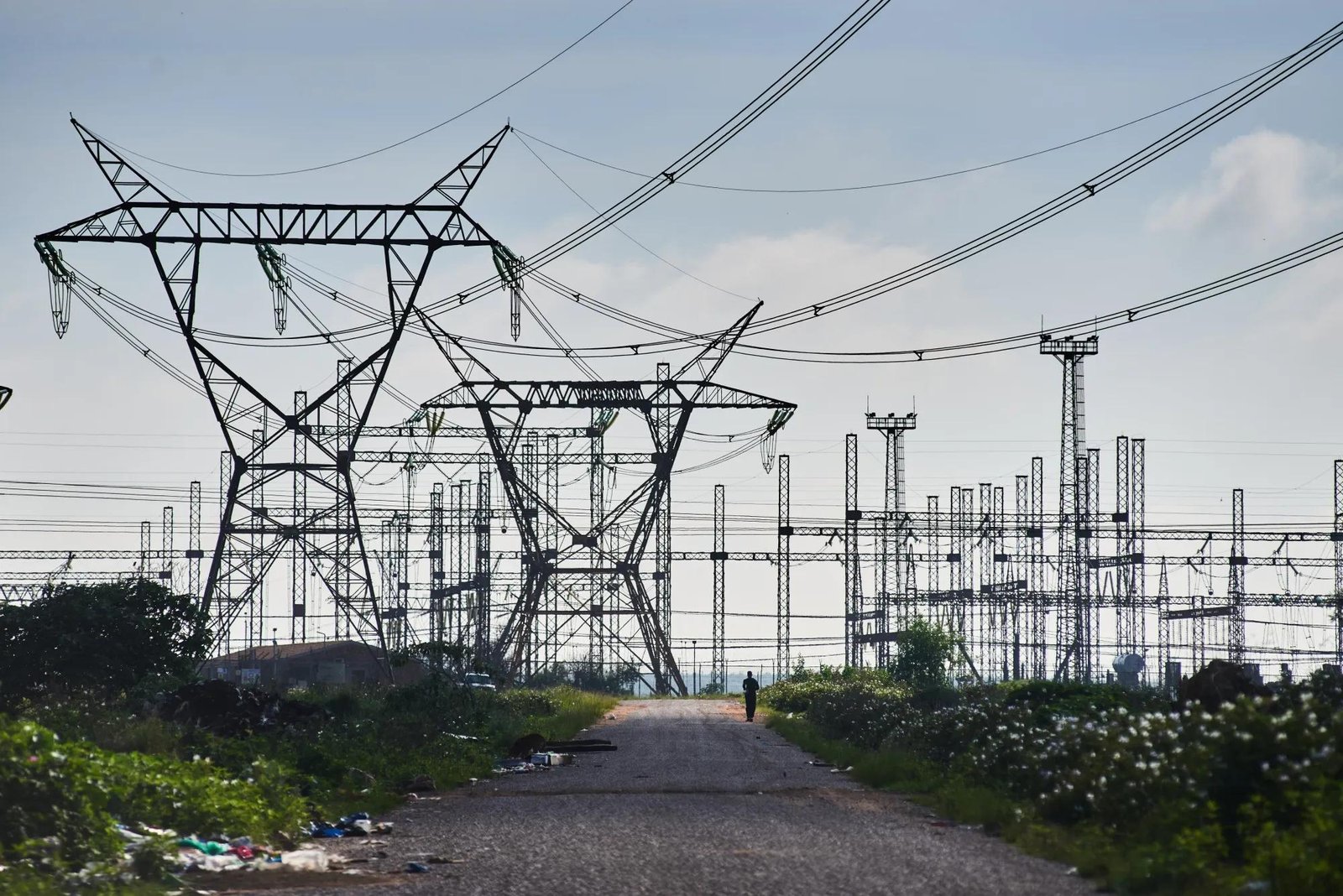
The United Kingdom has announced its support for a US$400 million African Development Bank (AfDB) financing package aimed at upgrading South Africa’s electricity transmission network and improving water infrastructure in Mpumalanga Province.
The funding is expected to strengthen critical public infrastructure, improve energy reliability, modernize water services, and support South Africa’s ongoing transition toward a more resilient and sustainable economy.
The investment represents another major international partnership designed to address some of South Africa’s most pressing infrastructure challenges while accelerating economic growth and attracting private sector investment.
Modernising Critical Infrastructure
South Africa continues to face significant infrastructure constraints, particularly in electricity generation, transmission, and water distribution.
Years of underinvestment, aging infrastructure, and rising demand have contributed to electricity shortages, water supply interruptions, and mounting pressure on public utilities.
The AfDB backed financing will help modernize essential infrastructure in Mpumalanga, one of South Africa’s key industrial and energy producing provinces.
The project aims to improve electricity transmission capacity while upgrading water systems that serve communities, businesses, and industrial users.
Improving these essential services is expected to enhance economic productivity while supporting long term development goals.
Supporting South Africa’s Energy Transition
The investment also forms part of South Africa’s broader energy transition strategy.
As the country works to diversify its energy mix and expand renewable energy generation, stronger transmission infrastructure will be essential for integrating new sources of electricity into the national grid.
Modern transmission networks improve grid reliability, reduce bottlenecks, and enable electricity generated from renewable sources to reach households and businesses more efficiently.
The financing aligns with South Africa’s efforts to build a cleaner, more resilient, and sustainable energy system while reducing dependence on aging infrastructure.
Improving Water Infrastructure
Alongside electricity upgrades, the financing package will support improvements to water infrastructure in Mpumalanga.
Reliable access to clean water remains essential for households, agriculture, manufacturing, mining, and commercial activities.
Upgrading water treatment facilities, pipelines, and distribution systems can reduce water losses, improve service delivery, and strengthen resilience against climate related challenges such as droughts.
Improved water infrastructure also creates a stronger foundation for industrial growth and private sector investment.
International Partnership for Development
The United Kingdom’s backing of the financing package highlights growing international cooperation in supporting Africa’s infrastructure development.
Development finance institutions such as the African Development Bank continue to play a critical role in mobilizing capital for projects that generate long term economic and social benefits.
International partnerships help governments finance large scale infrastructure projects that may otherwise face funding constraints while encouraging sustainable development and private investment.
The collaboration also reflects increasing global support for Africa’s clean energy transition and climate resilience initiatives.
Economic Benefits Beyond Infrastructure
Large scale infrastructure investments typically generate benefits beyond the immediate construction phase.
The project is expected to create employment opportunities in engineering, construction, project management, logistics, equipment supply, and maintenance.
Improved electricity and water services also provide businesses with more reliable operating conditions, encouraging investment across sectors including manufacturing, mining, agriculture, technology, and industrial development.
Greater infrastructure reliability can improve investor confidence while supporting South Africa’s long term competitiveness.
The African Development Bank’s Growing Role
The African Development Bank continues to finance major infrastructure projects across the continent, including investments in renewable energy, transportation, agriculture, water systems, and digital infrastructure.
The Bank’s strategy focuses on supporting sustainable economic growth while helping African countries address infrastructure gaps that limit development.
South Africa remains one of the Bank’s key partners, with several ongoing projects aimed at strengthening energy security, climate resilience, and economic diversification.
The latest financing package further demonstrates the Bank’s commitment to supporting strategic infrastructure that delivers lasting economic impact.
Looking Ahead
Implementation of the infrastructure programme is expected to begin following the completion of financing arrangements and project planning.
As South Africa continues modernizing its energy and water infrastructure, further collaboration between development finance institutions, international partners, and the private sector is likely to play an increasingly important role.
The investment is expected to improve public services, strengthen economic resilience, and support the country’s transition toward a more sustainable and competitive economy.
EIA Takeaway
Reliable infrastructure is one of the most important foundations of economic growth. The UK backed US$400 million AfDB financing package demonstrates how international partnerships can accelerate Africa’s development by investing in essential services such as electricity and water. For businesses and entrepreneurs, stronger infrastructure creates a more stable operating environment, reduces costs, and unlocks new opportunities for innovation, investment, and long term growth.