
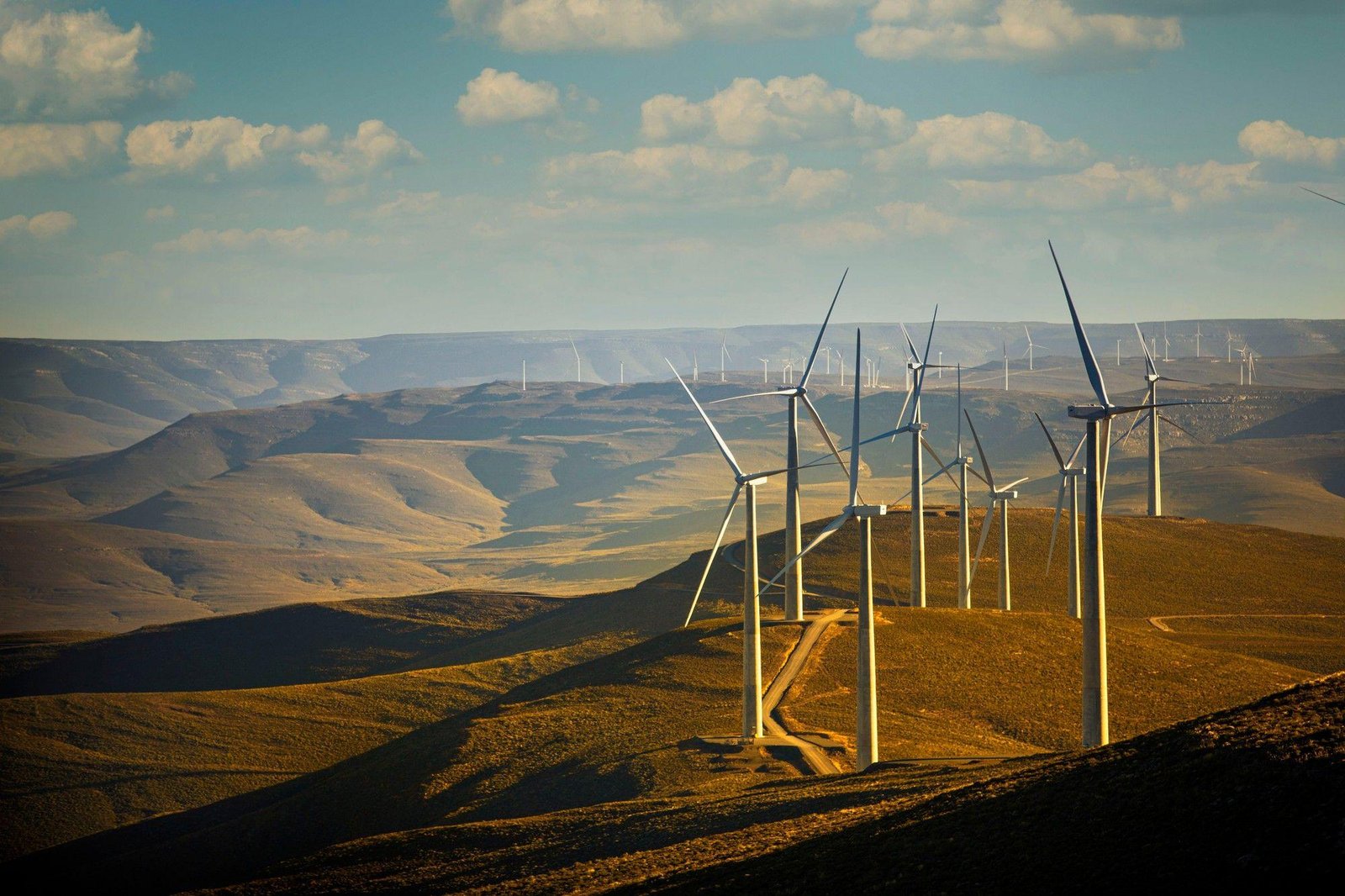
ClimateTech Continues to Dominate African Venture Funding
Climate technology continues to cement its position as one of Africa’s most attractive investment sectors, with venture capital firms and development finance institutions (DFIs) maintaining strong interest in startups tackling the continent’s energy, agriculture, mobility, and climate resilience challenges.
Investor discussions throughout the week reinforced the growing consensus that ClimateTech is no longer a niche segment of Africa’s startup ecosystem. Instead, it has become one of the continent’s fastest growing investment categories, driven by rising demand for sustainable infrastructure, supportive climate policies, and increasing commitments from both private and public capital providers.
The continued momentum reflects a broader shift in how investors view climate focused businesses, not simply as environmental solutions, but as scalable commercial ventures capable of delivering long term financial returns while addressing some of Africa’s most pressing development challenges.
Investors Increase Focus on Climate Innovation
Across Africa, venture capital funds are increasingly prioritizing startups that deliver practical solutions to climate related problems.
Companies developing renewable energy technologies, electric mobility platforms, clean cooking solutions, carbon management tools, sustainable agriculture technologies, waste recycling systems, and climate adaptation services continue to attract growing investor attention.
Development finance institutions have also expanded their support for ClimateTech, viewing innovative startups as essential partners in accelerating Africa’s transition to a more sustainable and resilient economy.
Many investors now consider climate innovation a long-term investment opportunity rather than a short-term trend, particularly as governments across Africa introduce policies encouraging renewable energy adoption and sustainable infrastructure development.
Clean Energy Leads Investment Activity
Clean energy remains one of the largest beneficiaries of ClimateTech investment across the continent.
Startups building solar mini grids, battery storage systems, distributed energy platforms, and off grid electricity solutions continue to secure funding as millions of Africans still lack reliable access to electricity.
Investors see significant commercial potential in technologies that improve energy access while reducing dependence on fossil fuels.
Recent funding activity across the continent demonstrates continued confidence in companies developing scalable renewable energy infrastructure capable of serving both urban and rural communities.
Sustainable Agriculture Gains Momentum
Agriculture has emerged as another major area of ClimateTech investment.
African agritech startups are increasingly using artificial intelligence, satellite data, climate analytics, and precision farming technologies to help farmers improve productivity while adapting to changing weather patterns.
Solutions focused on water efficiency, soil health, crop monitoring, and climate forecasting are attracting investors seeking businesses capable of strengthening food security while supporting environmental sustainability.
With agriculture contributing significantly to many African economies, climate-smart farming technologies are expected to remain an important area of innovation.
Electric Mobility Continues Growing
Electric vehicle infrastructure is also becoming an increasingly attractive segment for investors.
Across several African countries, startups are expanding electric motorcycle fleets, battery swapping networks, charging infrastructure, and electric public transport solutions.
Growing urban populations, rising fuel costs, and government efforts to reduce emissions have created favorable conditions for companies building cleaner transportation systems.
As infrastructure improves, investors believe electric mobility could become one of Africa’s largest ClimateTech opportunities over the coming decade.
Development Finance Institutions Strengthen Support
Development finance institutions continue to play a crucial role in expanding ClimateTech investment across Africa.
Organizations including multilateral development banks, impact investors, and international climate funds are working alongside venture capital firms to provide financing, technical assistance, and blended capital for climate focused startups.
This combination of commercial investment and development funding is helping founders build businesses that may require longer growth periods than traditional software startups while delivering measurable environmental and social impact.
The increasing collaboration between private investors and development institutions is expected to unlock additional capital for African ClimateTech companies in the coming years.
Why ClimateTech Is Attracting Capital
Several structural factors continue to drive investor confidence in Africa’s ClimateTech sector.
Rapid population growth, urbanization, expanding energy demand, and increasing climate risks have created significant market opportunities for innovative businesses.
At the same time, global investors are placing greater emphasis on Environmental, Social, and Governance (ESG) investing, encouraging more capital to flow toward companies addressing sustainability challenges.
Africa’s abundant renewable energy resources, combined with growing digital adoption and entrepreneurial innovation, position the continent as an increasingly attractive destination for ClimateTech investment.
Looking Ahead
ClimateTech is expected to remain one of Africa’s strongest performing startup sectors throughout the remainder of 2026.
As venture capital firms, development finance institutions, and corporate investors continue allocating resources to climate innovation, founders building solutions around clean energy, sustainable agriculture, water management, circular economy, and green mobility are likely to benefit from increasing access to capital.
While challenges such as infrastructure gaps, regulatory uncertainty, and longer commercialization timelines remain, investor confidence suggests ClimateTech will continue shaping Africa’s next generation of high growth startups.
EIA Takeaway
ClimateTech has evolved from an impact focused niche into one of Africa’s most strategic investment sectors. Investors increasingly recognize that solving climate challenges can also create scalable businesses capable of generating sustainable financial returns. As demand for renewable energy, resilient agriculture, and cleaner transportation grows, ClimateTech startups are well positioned to become some of the continent’s most valuable companies over the next decade.