
African Logistics Startups Are Helping Consumers Shop on Amazon and Walmart
African logistics companies are increasingly making global e-commerce accessible by helping consumers purchase products from international retail giants such as Amazon and Walmart, despite longstanding challenges related to payments, shipping, and customs.
A Reuters report published on July 14, 2026 highlighted how logistics startups and delivery intermediaries across Africa are bridging the gap between global online retailers and millions of African consumers who previously faced significant barriers when shopping internationally.
By offering services such as international shipping addresses, consolidated freight, customs clearance, payment assistance, and last-mile delivery, these companies are expanding access to global products while creating new opportunities within Africa’s rapidly growing e-commerce sector.
Breaking Down Barriers to Global Shopping
For years, many African consumers have found it difficult to order products directly from major international online retailers.
Common obstacles include:
- Limited international payment options.
- High shipping costs.
- Retailers that do not ship directly to many African countries.
- Complex customs procedures.
- Long delivery times.
- Limited package tracking.
These challenges have prevented many consumers and businesses from accessing products ranging from electronics and fashion to business equipment and industrial supplies.
African logistics startups are now addressing these pain points by building services specifically designed for local markets.
How the Model Works
Many logistics companies operate by providing customers with overseas warehouse addresses, often located in the United States or Europe.
Customers purchase products from retailers such as Amazon and Walmart using these addresses.
The logistics provider then:
- Receives the packages.
- Consolidates multiple purchases into one shipment.
- Handles international freight.
- Manages customs clearance.
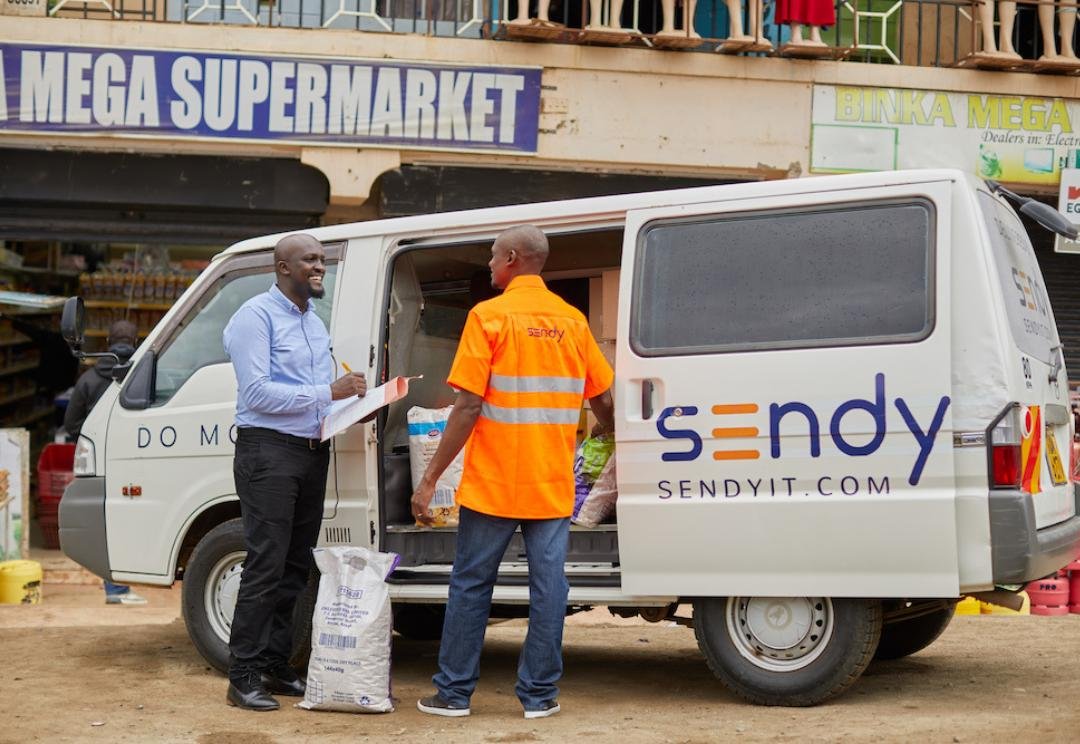
- Delivers the products directly to customers in Africa.
Some companies also assist with international payments, making it easier for customers who lack internationally accepted payment cards.
The result is a smoother shopping experience that removes many of the traditional obstacles associated with cross-border e-commerce.
Growing Demand Across Africa
Demand for international online shopping has continued rising as internet access, smartphone adoption, and digital payments expand across Africa.
Consumers increasingly seek access to products that may be unavailable locally or offered at significantly higher prices.
Businesses also rely on international suppliers for:
- Office equipment.
- Electronics.
- Manufacturing components.
- Medical supplies.
- Educational materials.
- Professional tools.
As demand grows, logistics companies are becoming essential infrastructure within Africa’s digital economy.
A Business Opportunity Beyond Delivery
While logistics companies initially focused on shipping services, many are evolving into broader commerce platforms.
Some now offer:
- Package forwarding.
- Freight consolidation.
- Customs brokerage.
- Cross border payments.
- Inventory management.
- Business procurement services.
- Supply chain solutions.
These additional services generate new revenue streams while strengthening relationships with both individual consumers and businesses.
Industry analysts believe logistics technology will become an increasingly important part of Africa’s digital commerce ecosystem.
Boosting Small Business Growth
Improved access to international retailers also benefits entrepreneurs.
Small businesses can purchase inventory, machinery, packaging materials, and technology products that may not be readily available in local markets.
Lower procurement costs and improved access to global suppliers help businesses become more competitive while expanding product offerings.
For startups operating in sectors such as retail, manufacturing, healthcare, and technology, reliable cross border logistics can significantly improve operational efficiency.
Africa’s E-Commerce Momentum
Africa’s e-commerce sector has experienced strong growth over the past decade, supported by increasing internet penetration, mobile money adoption, and improvements in digital infrastructure.
Although challenges remain, investments in logistics networks are helping address one of the biggest barriers to online commerce, efficient product delivery.
Governments and private investors continue supporting initiatives aimed at improving transport infrastructure, digital payments, and customs processes to facilitate regional and international trade.
The emergence of specialized logistics startups reflects the growing sophistication of Africa’s digital economy.
Looking Ahead
As international online shopping becomes more common across Africa, logistics providers are expected to play an even larger role in connecting consumers and businesses to global markets.
Continued investment in warehousing, technology, payment systems, and delivery networks could further reduce shipping costs while improving delivery speed and reliability.
For global retailers such as Amazon and Walmart, partnerships with local logistics providers may also become increasingly important as they seek to reach more African customers without building extensive local distribution networks.
EIA Takeaway
Africa’s logistics startups are proving that innovation often lies in solving practical challenges rather than creating entirely new products. By overcoming barriers related to payments, shipping, and customs, these companies are opening global marketplaces to millions of African consumers and businesses. As cross border e-commerce continues to expand, logistics providers will become increasingly important partners in enabling entrepreneurship, supporting small businesses, and integrating Africa more deeply into the global digital economy.