
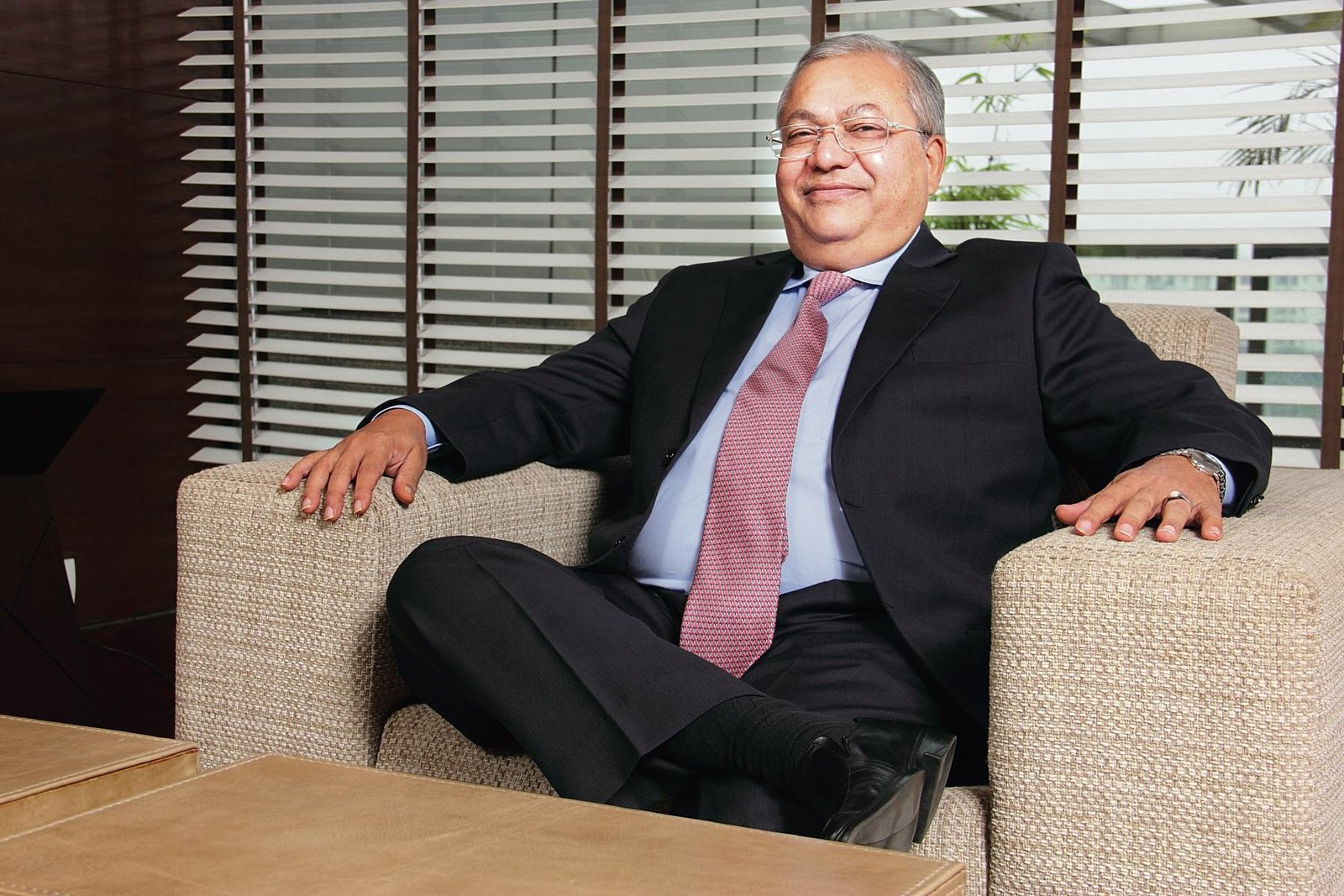
Indian Billionaire Ravi Jaipuria Joins Dangote and Dewji With US$32 Million Beverage Investment in East Africa
Indian billionaire Ravi Jaipuria is expanding his African consumer goods footprint through a US$32 million investment in Kenya, as his beverage company moves to acquire a large dairy, juice, and packaged water manufacturing business in Nakuru.
Through BL Industries Kenya, a wholly owned subsidiary of Varun Beverages Limited, the company has signed an agreement to acquire the dairy beverages, juices, and packaged drinking water operations of Devyani Food Industries Kenya. The transaction is expected to be completed by August 1, 2026, subject to the relevant closing requirements.
Once completed, the acquisition will give Varun Beverages control of a 52-acre manufacturing site in Nakuru, one of Kenya’s largest cities. The facility includes approximately 17,500 square metres of built-up space, modern production machinery, advanced water purification systems, and recognised food safety certifications.
The investment places Jaipuria alongside other billionaire industrialists, including Nigeria’s Aliko Dangote and Tanzania’s Mohammed Dewji, who are also pursuing large scale opportunities in Kenya’s expanding industrial and consumer markets.
Varun Beverages Enters Kenya
Varun Beverages had already signalled its intention to enter the Kenyan market earlier in 2026 when it incorporated a wholly owned local subsidiary to manufacture, distribute, and sell beverages.
The acquisition provides the company with an existing production base rather than requiring it to build an entirely new facility from the ground up. This could allow Varun Beverages to enter the market more quickly while reducing some of the delays and execution risks associated with greenfield manufacturing projects.
The Nakuru facility will initially strengthen the company’s position in dairy beverages, juices, and packaged water. It could also provide a platform for future expansion into additional beverage categories as the business develops.
Kenya’s Beverage Market Becomes More Competitive
Kenya’s beverage industry is becoming an increasingly attractive destination for regional and international investors.
The country offers a large consumer market, a relatively developed retail system, expanding urban centres, and access to the wider East African Community. These factors make Kenya an important base for companies seeking to sell consumer products across the region.
Competition is also intensifying.
Tanzanian businessman Mohammed Dewji, through the MeTL Group, is developing a US$50 million soft drinks plant in Mombasa to produce brands including Mo Cola, Mo Xtra, and Mo Malto. His strategy is expected to focus heavily on affordability and competition with established multinational beverage brands.
PepsiCo products are already manufactured in Kenya by SBC Kenya, an independent bottler operating from Nairobi. Varun Beverages’ entry could eventually provide PepsiCo with another significant production and distribution base in the country, particularly if the Nakuru facility is expanded to include carbonated drinks.
A Wider Wave of Billionaire Backed Investment
Jaipuria’s investment comes as some of Africa’s most prominent business leaders increase their focus on Kenya.
Aliko Dangote has been linked to major industrial ambitions in the country, including plans connected to a proposed large scale refinery project in Lamu. Mohammed Dewji is pursuing beverage manufacturing, while Jaipuria is entering through an established food and drinks facility.
These investments reflect Kenya’s growing appeal as an industrial and consumer hub in East Africa.
For investors, the country offers access not only to its domestic population but also to neighbouring markets through regional trade arrangements and established transport corridors. However, businesses must still navigate infrastructure costs, taxation, currency risk, regulatory requirements, and intense competition from existing brands.
Why the 52-Acre Facility Matters
The size and existing infrastructure of the Nakuru site could give Varun Beverages a meaningful advantage.
Rather than beginning with land acquisition, construction, licensing, and equipment installation, the company is purchasing an operating business with production assets already in place.
This could support:
- Faster entry into the Kenyan market.
- Lower initial execution risk.
- Immediate access to manufacturing capacity.
- Expansion into dairy, juice, and water categories.
- Future distribution across East Africa.
- Potential integration with Varun Beverages’ wider supply chain.
The facility’s location in Nakuru is also strategically important. The city lies along a major transport corridor and provides access to several parts of Kenya, making it suitable for nationwide distribution and possible regional exports.
Varun Beverages Deepens Its African Strategy
Africa has become increasingly important to Varun Beverages’ international growth.
The company reported that its international operations expanded during 2025, led by Africa, with investment continuing in manufacturing capacity, distribution, refrigeration, and supply-chain infrastructure. It has also pursued acquisitions and production expansion across South Africa, Morocco, Zimbabwe, Zambia, and the Democratic Republic of Congo.
Its Kenya investment therefore appears to be part of a long-term regional strategy rather than a standalone deal.
By building a network of production facilities across multiple African markets, Varun Beverages can reduce transportation costs, produce closer to consumers, and respond more effectively to differences in local demand.
Potential Impact on Kenya
The acquisition could support Kenya’s economy through manufacturing activity, employment, local sourcing, distribution, and tax revenue.
If Varun Beverages increases production at the facility, the investment may also create opportunities for suppliers of agricultural inputs, packaging, logistics, refrigeration, retail services, and equipment maintenance.
However, the final impact will depend on the company’s expansion plans, employment commitments, and the extent to which it sources materials and services locally.
The deal could also increase competitive pressure on existing beverage companies, potentially encouraging more investment in product development, pricing, and distribution.
Looking Ahead
The transaction is expected to close by August 1, 2026. Following completion, attention will turn to how Varun Beverages integrates the Nakuru operations and whether it introduces more products into the Kenyan market.
The acquisition gives the company a significant industrial base in East Africa and strengthens Kenya’s position as a destination for large consumer goods investments.
For Ravi Jaipuria, it represents another step in the expansion of a beverage empire built through bottling partnerships, acquisitions, local manufacturing, and disciplined entry into fast-growing markets.
EIA Takeaway
Varun Beverages’ US$32 million Kenya investment demonstrates the value of entering a new market through existing infrastructure. Rather than building from zero, the company is acquiring a large manufacturing platform that can shorten its path to production and regional expansion.
For African entrepreneurs and investors, the deal offers a broader lesson: growth does not always require creating every asset internally. Strategic acquisitions can provide market access, operational capacity, customer relationships, and distribution advantages that would take years to build independently.