
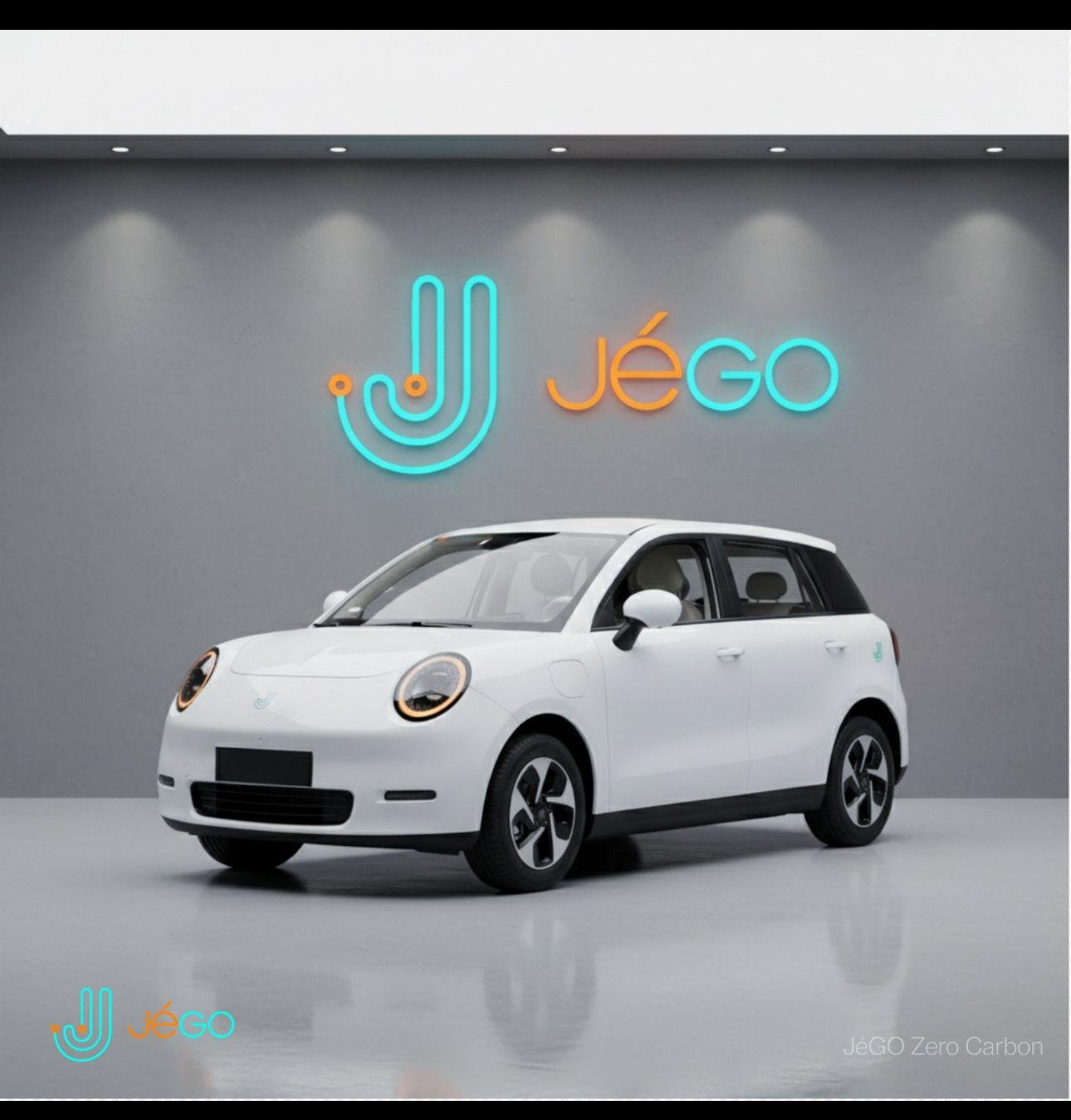
JéGO and GoCab Partner to Deploy 6,000 Electric Vehicles Across Africa
Electric vehicle company JéGO and mobility startup GoCab have entered into a commercial partnership to deploy 6,000 electric vehicles (EVs) across Senegal, Côte d’Ivoire, Ghana, and Nigeria over the next 24 months, marking one of the most ambitious electric mobility initiatives announced in Africa this year.
The agreement, announced on July 10, 2026, will begin with the rollout of 600 electric vehicles designed for commercial ride hailing services on platforms including Uber, Bolt, and inDrive. The partnership aims to accelerate the adoption of electric transportation while making EV ownership more accessible for commercial drivers through an innovative leasing and drive to own model.
The collaboration reflects growing investor confidence in Africa’s electric mobility sector, even as challenges surrounding charging infrastructure and vehicle financing continue to slow widespread adoption.
Accelerating Africa’s Transition to Electric Mobility
Africa’s electric vehicle market has experienced rapid growth in recent years, driven largely by soaring fuel prices, increasing environmental awareness, and advances in battery technology.
However, much of this growth has been concentrated in electric motorcycles and three wheelers, which require lower upfront investment and simpler charging infrastructure.
JéGO and GoCab are targeting a more complex segment of the market by introducing commercial electric passenger vehicles for ride hailing operators.
Unlike two wheelers, passenger EVs require larger batteries, faster charging infrastructure, and significantly greater financing, making large-scale deployment considerably more challenging.
The two companies believe their partnership can help overcome these barriers while demonstrating that electric commercial transportation is commercially viable across African cities.
First Rollout Across Four Markets
According to the companies, the first phase of the programme will deploy 600 electric vehicles over the coming months.
The rollout will initially focus on:
- Nigeria
- Ghana
- Senegal
- Côte d’Ivoire
Drivers operating on ride hailing platforms such as Uber, Bolt, and inDrive will gain access to the vehicles through GoCab’s drive to own financing model.
Rather than requiring drivers to purchase expensive electric vehicles outright, the programme allows participants to make affordable daily payments while gradually building ownership.
The companies believe this financing approach removes one of the largest barriers preventing widespread EV adoption across Africa.
AI Powered Fleet Management
A central component of the partnership is JéGO X, the company’s proprietary artificial intelligence fleet management platform.
According to JéGO, the software provides fleet operators with:
- Real time vehicle telematics.
- Predictive maintenance.
- Driver earnings tracking.
- Fleet optimization.
- Performance analytics.
- Operational monitoring.
The AI platform is designed to reduce operating costs, improve vehicle reliability, and maximize fleet utilization while providing operators with better visibility into business performance.
Combined with GoCab’s financing model, the companies believe the technology creates a scalable ecosystem for commercial electric transportation.
Solving the Financing Challenge
While charging infrastructure often dominates conversations around electric mobility, financing remains one of Africa’s biggest obstacles to EV adoption.
Electric vehicles typically require significantly higher upfront investment than conventional petrol powered cars, placing ownership beyond the reach of many commercial drivers.
Under the agreement, JéGO will lease vehicles and charging infrastructure to fleet operators such as GoCab.
GoCab will then offer individual drivers a pathway to ownership through structured daily payment plans.
This asset light approach allows fleet operators to expand without carrying the full capital cost of vehicle purchases while giving drivers access to modern electric vehicles that might otherwise remain unaffordable.
Building an African EV Ecosystem
JéGO founder and Chief Executive Officer Frederick Akpoghene said the company was established with a broader vision than simply manufacturing electric vehicles.
“We didn’t start JéGO to just sell EVs. We built it to give a continent the freedom to move on its own terms, powered by its own sun, run on its own intelligence. Africa doesn’t need to catch up to the future of mobility. Africa is where it gets built,” he said.
The company’s long term strategy combines electric vehicles, renewable energy, artificial intelligence, and financing solutions into a single mobility ecosystem designed specifically for African operating conditions.
Investor Confidence Continues to Grow
The announcement comes as investment in Africa’s electric mobility sector continues to accelerate.
Earlier this year, Spiro, Africa’s largest electric mobility company, secured US$215 million in funding before announcing an additional US$55 million investment from China’s NewTrails Capital, making it one of the continent’s largest electric mobility fundraising successes.
Industry data from the International Energy Agency’s Global EV Outlook 2026 also shows rapid market expansion.
Electric motorcycle sales across Africa increased from fewer than 1,000 units in 2020 to approximately 70,000 units in 2025, driven by higher fuel costs and expanding battery swapping networks.
While passenger EV adoption remains relatively limited, investors increasingly view commercial transportation as one of Africa’s next major electric mobility opportunities.
Looking Ahead
Neither company disclosed the financial value of the agreement or how the deployment of all 6,000 vehicles will be financed.
GoCab, founded in 2024, currently operates drive to own programmes in all four target markets and reported US$17 million in annual recurring revenue within its first 18 months of operation. The company has set a goal of increasing electric vehicles from approximately 10% of its fleet to 50% by the end of 2026.
Meanwhile, JéGO continues raising its Series A funding round while expanding partnerships across Africa and international markets, including Latin America, the United Kingdom, the United States, and India.
If successful, the partnership could become one of Africa’s largest commercial electric vehicle deployment programmes and provide a blueprint for financing electric mobility across emerging markets.
EIA Takeaway
The partnership between JéGO and GoCab demonstrates that the future of electric mobility in Africa will depend as much on innovative financing and technology as on vehicle manufacturing. By combining AI powered fleet management with a drive to own financing model, the two companies are addressing two of the industry’s biggest barriers, high upfront costs and operational efficiency. As investors continue backing Africa’s clean transportation ecosystem, collaborations like this could accelerate the transition toward sustainable mobility while creating new economic opportunities for thousands of commercial drivers across the continent.