
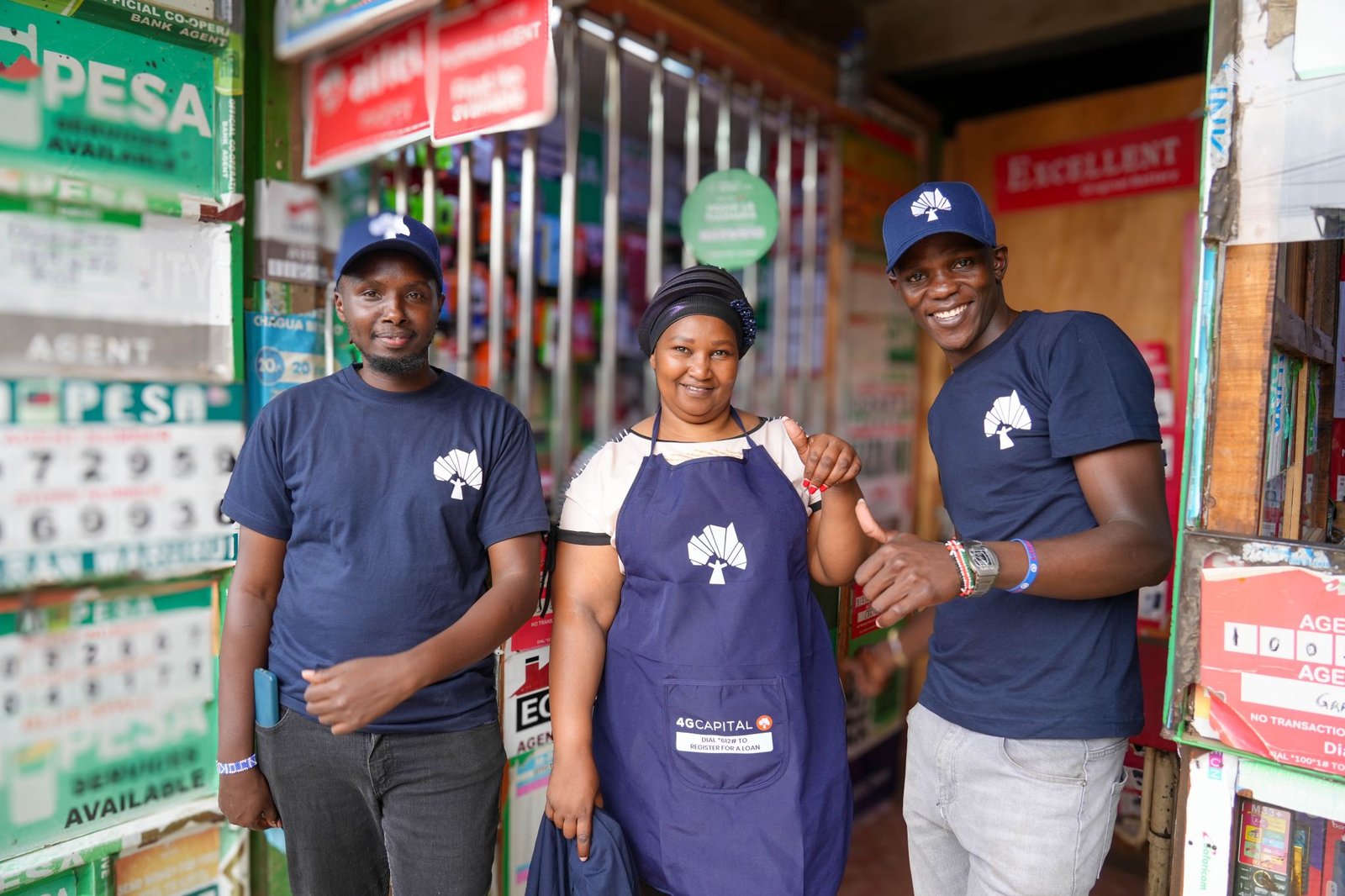
East African Fintech 4G Capital Surpasses $1 Billion in SME Lending
East African fintech lender 4G Capital has surpassed US$1 billion in cumulative lending to small and medium sized enterprises (SMEs) across Kenya and Uganda, marking a major milestone in the company’s efforts to improve access to finance for underserved entrepreneurs.
The company announced on June 23, 2026, that it had exceeded the $1 billion mark in working capital loans since its launch in 2013. According to 4G Capital, the financing has reached nearly 800,000 entrepreneurs through more than 7.6 million short term loans, helping thousands of small businesses strengthen cash flow, expand operations, and create employment opportunities across East Africa.
The achievement highlights the growing role of fintech companies in addressing one of Africa’s most persistent economic challenges: access to affordable financing for small businesses.
A Decade of Supporting Small Businesses
Founded in 2013, 4G Capital was established with a mission to bridge the financing gap facing micro, small, and medium sized enterprises. While SMEs contribute significantly to economic growth and job creation across Africa, many continue to struggle to obtain financing from traditional financial institutions because of limited collateral, insufficient credit history, or informal business structures.
To address these challenges, 4G Capital developed a lending model that combines digital technology with personalized customer engagement. The company’s “touch tech” approach integrates artificial intelligence powered credit assessment with in person business support, enabling entrepreneurs to access working capital more quickly while receiving guidance to improve business performance.
Unlike conventional bank loans that may take weeks to process, many of the company’s financing solutions are designed to provide rapid access to capital, allowing business owners to purchase inventory, meet supplier obligations, or respond to seasonal demand.
Driving Financial Inclusion
4G Capital’s customer base spans a wide range of industries, including retail, agriculture, wholesale trade, manufacturing, transportation, and local services. Many of its borrowers operate small neighborhood businesses that form the backbone of local economies in Kenya and Uganda.
By leveraging alternative credit assessment methods and digital financial technology, the company has expanded lending opportunities for entrepreneurs who have historically been excluded from formal banking services.
According to the company, its lending activities have supported more than 1.4 million jobs while contributing an estimated US$3 billion in economic impact across its markets.
The milestone reflects not only the scale of the company’s operations but also the increasing demand for accessible financing among East Africa’s growing SME sector.
Leadership Reflects on the Milestone
Commenting on the announcement, Founder and Executive Chairman Wayne Hennessy Barrett credited the achievement to the determination of the entrepreneurs the company serves.
He described the $1 billion milestone as a testament to the resilience, ambition, and hard work of small business owners across Kenya and Uganda, emphasizing that the success belongs as much to the company’s customers as to its employees and partners.
The statement underscores the central role SMEs continue to play in driving economic development throughout the region.
Closing Africa’s SME Financing Gap
Access to finance remains one of the biggest obstacles limiting the growth of African businesses.
Across the continent, millions of entrepreneurs face difficulties securing loans because they lack traditional collateral or operate outside the formal banking system. Even profitable businesses often encounter financing challenges that restrict expansion, hiring, and investment.
As a result, fintech companies have increasingly emerged as important players in Africa’s financial ecosystem. By using digital technologies, mobile money platforms, and alternative credit scoring models, they are helping to extend financial services to businesses that would otherwise remain underserved.
East Africa has become one of the continent’s leading fintech hubs, with innovations in mobile payments and digital lending transforming how entrepreneurs access financial services.
Why the Milestone Matters
The $1 billion lending milestone represents more than a corporate achievement. It reflects the growing confidence in technology enabled financial solutions and demonstrates the increasing willingness of investors and lenders to support Africa’s entrepreneurial economy.
Small and medium sized enterprises account for the overwhelming majority of businesses across Africa and employ millions of people. Their ability to access affordable financing directly influences business survival, productivity, and long-term economic growth.
For many entrepreneurs, access to working capital determines whether they can purchase inventory, fulfill customer orders, expand into new markets, or hire additional staff.
As digital lending platforms continue to mature, they are expected to play an increasingly important role in narrowing Africa’s multi billion dollar SME financing gap.
Looking Ahead
With demand for SME financing continuing to rise across East Africa, 4G Capital is expected to continue investing in digital lending technologies, business education, and financial inclusion initiatives.
Industry analysts believe that fintech firms capable of combining responsible lending practices with scalable technology will remain key contributors to Africa’s entrepreneurial ecosystem over the coming years.
For SMEs across Kenya and Uganda, greater access to flexible working capital could help unlock new opportunities for growth, innovation, and job creation.
EIA Takeaway
4G Capital’s $1 billion lending milestone demonstrates the transformative role fintech companies can play in supporting Africa’s small business economy. While access to finance remains one of the continent’s biggest entrepreneurial challenges, innovative lenders are proving that technology, responsible credit models, and business support can help bridge the gap.
As African SMEs continue to drive economic growth, milestones like this reinforce the importance of building financial systems that empower entrepreneurs to grow sustainable businesses, create employment, and strengthen local economies.