
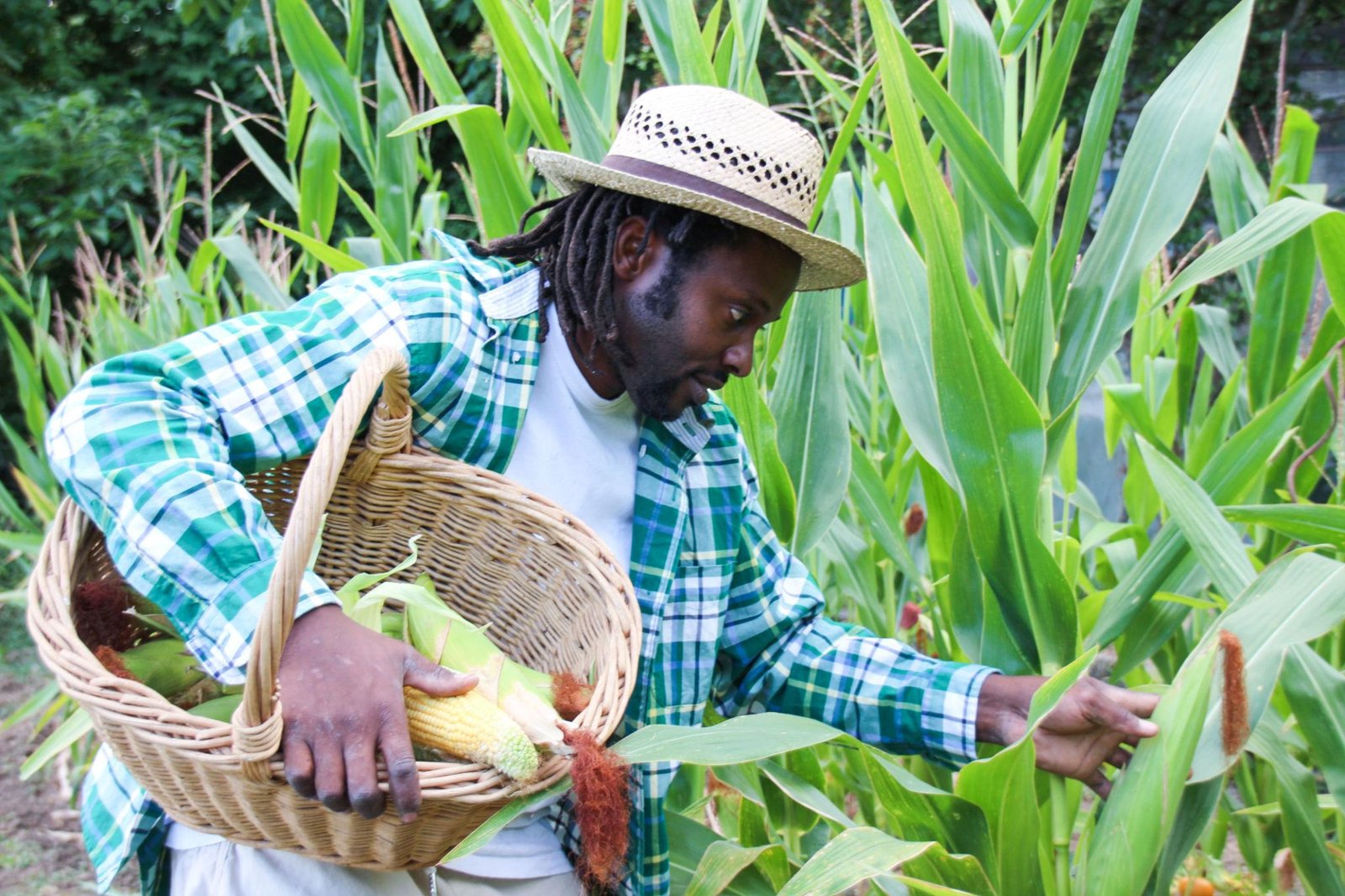
Agriculture: Africa’s Trillion Dollar Business Opportunity
No industry is more fundamental to Africa’s future than agriculture. While the continent is home to roughly 60% of the world’s uncultivated arable land, it still imports tens of billions of dollars worth of food every year. This paradox represents one of the greatest business opportunities of the 21st century.
Agriculture contributes significantly to employment across Africa, supporting the livelihoods of hundreds of millions of people and serving as the backbone of many national economies. Yet much of the sector remains under mechanized, under financed, and vulnerable to climate change.
For entrepreneurs, agriculture is no longer just about farming. It encompasses technology, logistics, finance, manufacturing, renewable energy, biotechnology, processing, exports, and data driven innovation. Every inefficiency in the agricultural value chain is a potential business opportunity.
As Africa’s population moves toward 2.5 billion people by 2050, the demand for food, efficient supply chains, modern farming practices, and value added agricultural products will continue to rise. The businesses built today will help feed not only Africa but also global markets.
Why Agriculture Matters
Agriculture is the foundation of food security, economic development, and industrial growth.
The sector:
- Employs more Africans than any other industry.
- Supplies raw materials for manufacturing.
- Supports exports and foreign exchange earnings.
- Creates millions of jobs across rural and urban communities.
- Drives economic activity in transportation, logistics, finance, retail, and technology.
A thriving agricultural sector reduces dependence on food imports, strengthens national economies, and improves household incomes. For entrepreneurs, agriculture offers opportunities at every stage, from production to processing, distribution, branding, and export.
Market Size & Economic Impact
Africa’s agricultural economy is expanding rapidly, fueled by population growth, urbanization, and increasing demand for higher quality food products.
Several long term trends support this growth:
- Rising consumer spending.
- Expansion of regional trade through the African Continental Free Trade Area (AfCFTA).
- Greater investment in agricultural technology.
- Growing demand for processed foods.
- Increased focus on food security by governments.
Agribusiness has the potential to become one of Africa’s largest wealth creating industries over the coming decades, particularly as countries prioritize local production and export competitiveness.
Key Growth Drivers
Population Growth
Africa has one of the world’s fastest growing populations. More people require more food, creating sustained demand for agricultural production, processing, and distribution.
Urbanization
As cities expand, consumers increasingly seek packaged, processed, and conveniently distributed food products. This shift creates opportunities beyond farming, including logistics, food manufacturing, cold storage, and retail.
Technology Adoption
Digital innovation is transforming agriculture. Farmers now have access to:
- Mobile payment systems
- Weather forecasting
- Satellite imagery
- Precision farming tools
- Market pricing information
- Digital financing platforms
Technology enables farmers to improve productivity while reducing costs.
Regional Trade
The implementation of AfCFTA is expected to make agricultural trade across African borders easier, opening larger markets for producers and food manufacturers.
Biggest Opportunities for Entrepreneur
Agriculture offers opportunities far beyond crop cultivation.
Agricultural Technology (AgTech)
Software platforms help farmers monitor crops, manage finances, access financing, and improve yields. AI, drones, sensors, and satellite data are increasingly supporting smarter farming decisions.
Food Processing
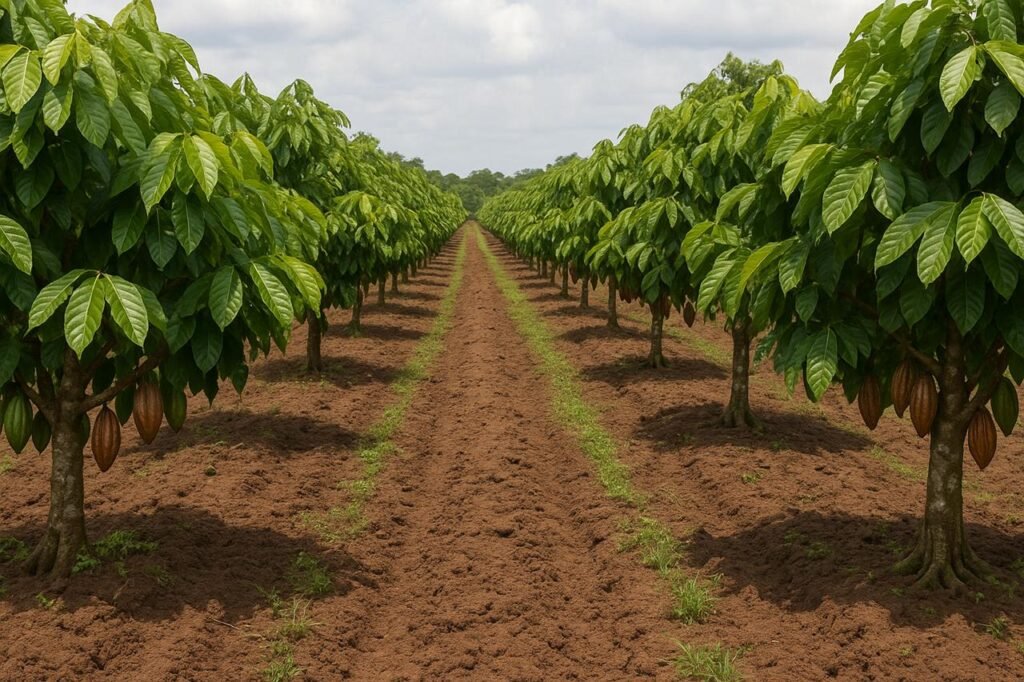
Many African countries export raw agricultural products while importing finished food products. Entrepreneurs who process agricultural commodities locally can capture significantly more value.
Examples include:
- Cocoa processing
- Coffee roasting
- Fruit juice production
- Dairy products
- Vegetable oils
- Packaged grains
- Frozen foods
Cold Chain Logistics
Food losses remain one of agriculture’s biggest challenges. Businesses providing refrigerated storage, transportation, and distribution play an essential role in reducing waste while improving profitability.
Agricultural Finance
Many farmers lack access to affordable financing. Fintech solutions tailored to agriculture, including digital lending, crop insurance, and input financing, represent major growth opportunities.
Agricultural Machinery
Mechanization remains relatively low in many African markets. Businesses offering equipment leasing, maintenance, spare parts, and shared machinery services can help improve productivity while lowering costs for farmers.
Export Businesses
Global demand for products such as cocoa, coffee, sesame, cashews, avocados, spices, tropical fruits, and flowers continues to create export opportunities for African businesses.
Leading African Companies & Innovators
Several companies are helping modernize African agriculture through innovation, technology, and investment.
Among the notable players are:
- Twiga Foods, improving farm to market supply chains.
- ThriveAgric, connecting farmers with financing and technology.
- Hello Tractor, expanding access to tractors through a shared services model.
- AFEX, strengthening agricultural commodity markets and storage infrastructure.
These businesses demonstrate that innovation across the agricultural value chain can generate significant economic impact while improving food security.
Challenges Holding the Industry Back
Despite enormous potential, agriculture continues to face structural challenges.
Climate Change
Changing rainfall patterns, droughts, floods, and extreme weather events threaten crop yields and increase uncertainty. Climate smart farming practices will become increasingly important.
Infrastructure
Poor roads, limited storage facilities, unreliable electricity, and inefficient transport systems increase production costs and reduce competitiveness.
Access to Finance
Many smallholder farmers remain excluded from formal financial systems, limiting their ability to invest in better seeds, equipment, and technology.
Post Harvest Losses
A significant share of agricultural output is lost before reaching consumers due to inadequate storage and transportation. Reducing these losses represents one of Africa’s largest untapped business opportunities.
Investment Outlook
Investors are increasingly viewing agriculture as both an economic necessity and a commercial opportunity.
Investment is growing across:
- Precision agriculture
- Agricultural technology
- Food manufacturing
- Irrigation systems
- Renewable energy for farms
- Cold storage
- Agricultural logistics
- Commodity trading
- Sustainable farming
As governments prioritize food security and climate resilience, agriculture is expected to attract additional public and private investment.
Future Trends
Several trends are likely to shape the future of African agriculture. Artificial intelligence will enable more accurate crop monitoring and yield forecasting. Climate smart farming practices will improve resilience against changing weather patterns. Renewable energy solutions, including solar powered irrigation and storage, will reduce operating costs. Blockchain technology may improve food traceability and export compliance. Consumers will continue to demand healthier, safer, and sustainably produced food. The greatest winners will be businesses that combine technology, sustainability, and efficient value chain management.
EIA Takeaway
Agriculture is not an old industry, it is Africa’s next frontier for innovation and wealth creation.
The entrepreneurs who build successful agricultural businesses will not necessarily own the largest farms. They will solve the biggest problems: financing, logistics, processing, storage, technology, distribution, and market access.
As Africa works toward greater food security and economic independence, agriculture will remain one of the continent’s most strategic industries.
For entrepreneurs, the question is no longer whether agriculture presents opportunities. The question is where in the value chain you can create the greatest impact.
The future of African agriculture will belong to founders who think beyond farming and build businesses that transform the entire ecosystem.